9 September 2026 · 8 min read · By McKenna Starck
A taste for difficult things
A race car moving through one reality while the driver sees another. A thousand-year-old story rebuilt with new tools. Breach has spent a decade making the difficult part work, usually before there is a rulebook for how.
- Tech & Innovation
- Business

Marius Thorvaldsen, CEO (left) & Sindre Grønvoll, Head of Art (right)
Before there was a playbook
Virtual reality was having a moment in 2016. Headsets were getting better, the technology was getting serious, and suddenly there was a whole new category of things no one quite knew how to make yet. Which, for the right kind of person, is fairly irresistible.
Marius Thorvaldsen was one of the founders behind Work-Work in Trondheim, a slightly unconventional mix of coworking space, gaming hub and bar built around the city's game and creative-tech community. Sindre Grønvoll had an office there. Martin Sivertsen was looking for his next thing. Somewhere in the overlap, the three started pulling at the same question: what could they build with a technology that was still being invented around them?
There was no accelerator putting the pieces together, no founder-matching process quietly deciding these three belonged in a room. They were simply there, with different backgrounds, overlapping interests and enough curiosity to keep the conversation going. The answer, eventually, was Breach. Although “answer” makes it sound considerably more planned than it was.
The chemistry was there early. Martin was the technical creative, Sindre brought an artist’s eye after years in the international games industry, and Marius was the one who actually enjoyed turning ideas into plans, timelines and spreadsheets. Between them sat the thing they all cared about most: making something that wasn’t there yet. It made for a company comfortable moving between imagination and execution, which has proved useful when most of the interesting work tends to live somewhere in between.
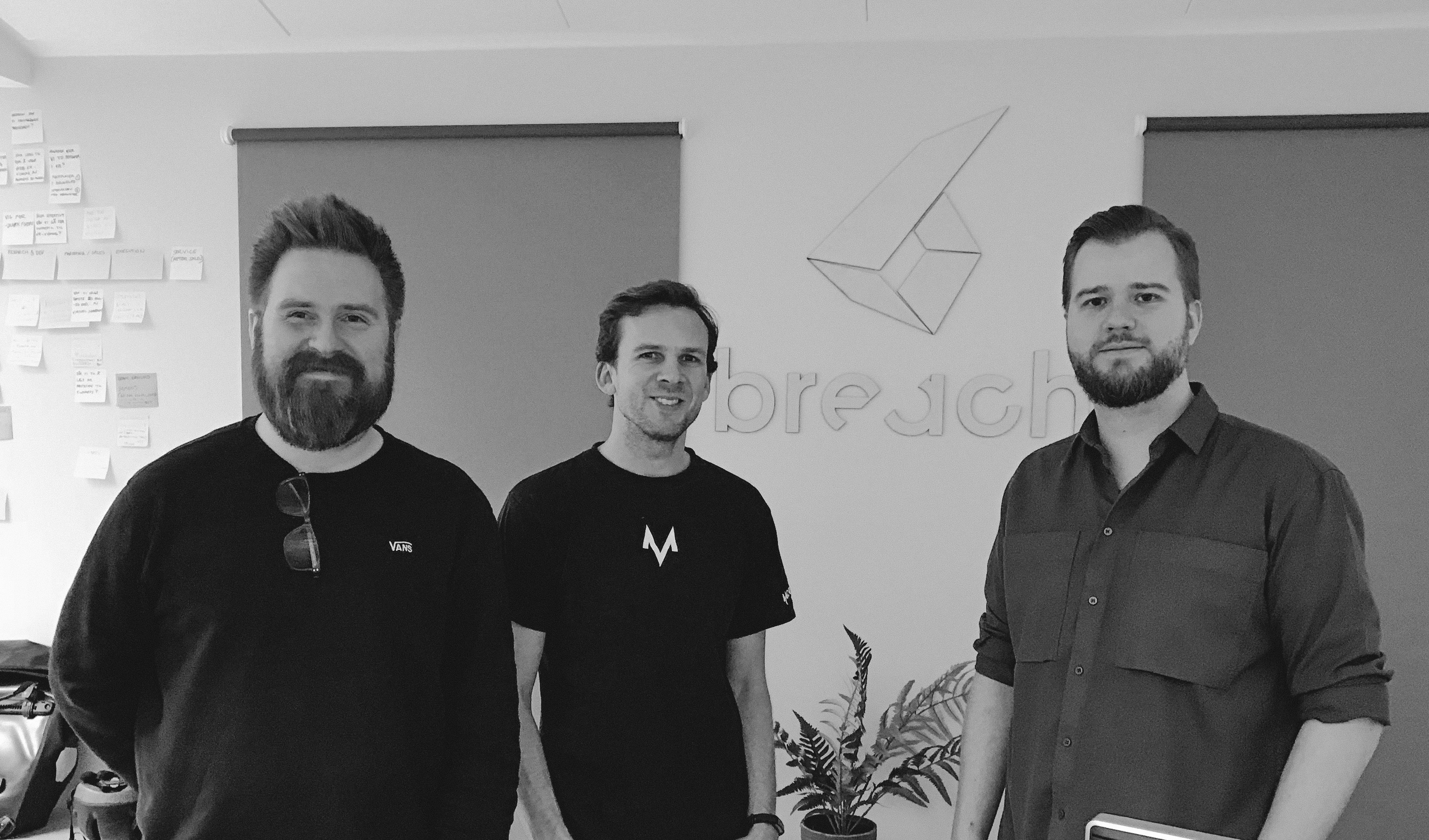
Founding partners Marius, Martin & Sindre
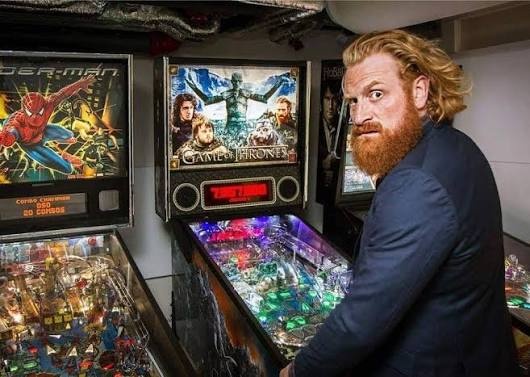
Kristofer Hivju playing in the Work-Work arcade
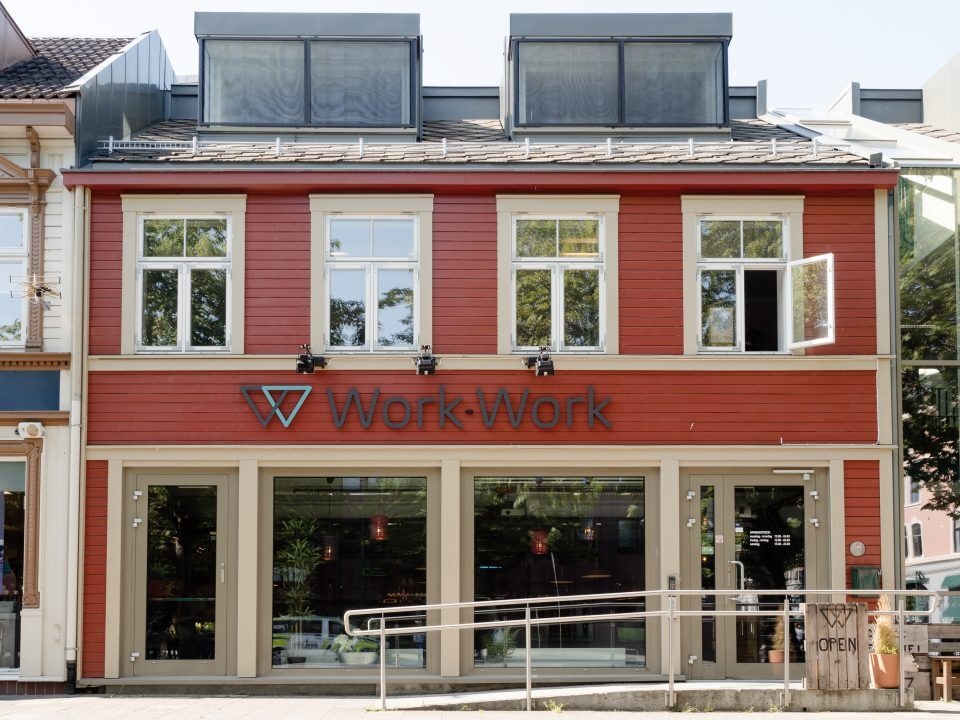
Work-Work, Trondheim. Photo: Startup TRD
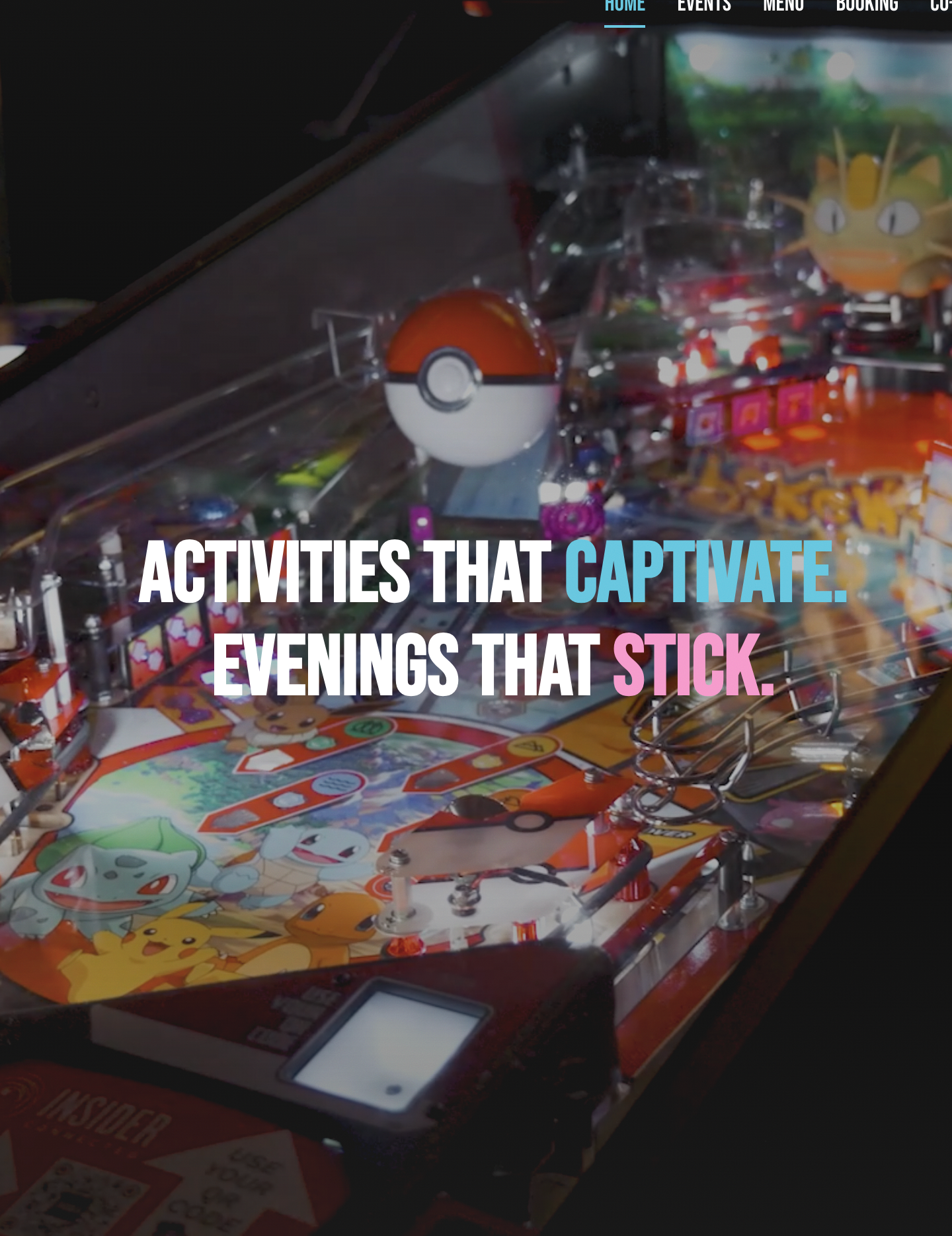
Work-Work, Trondheim
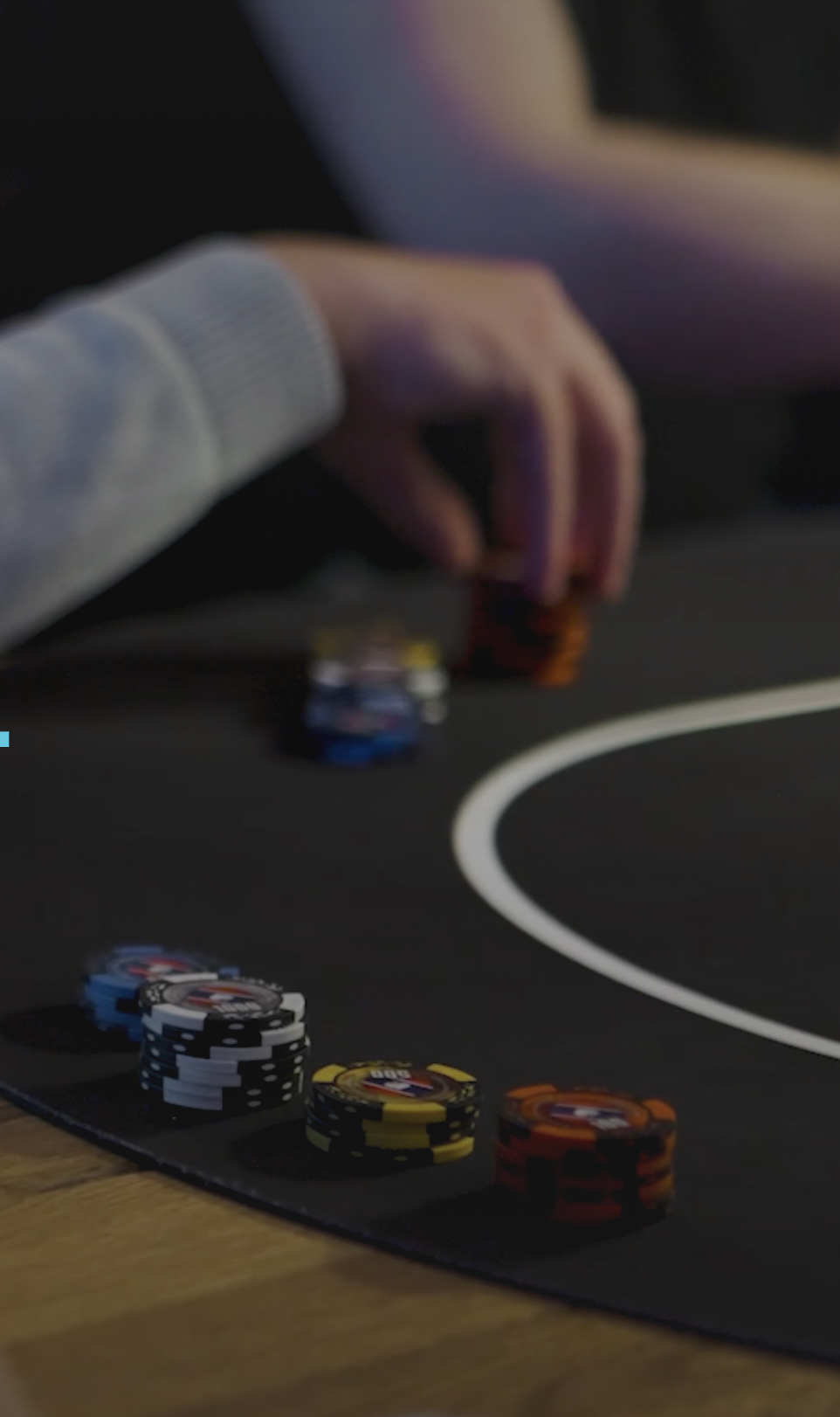
Poker at Work-Work, Trondheim
The bit nobody has solved yet
VR was only the beginning. The more interesting part, for Breach, was always what happened when a technology became just capable enough to open a door, but not established enough for anyone to know exactly what should be on the other side. That has stayed fairly consistent. Breach tends to gravitate toward the in-between stage: new platforms, difficult technical problems, unfinished prototypes and ideas that need to make the slightly inconvenient leap from interesting to actually usable.
The company is now evolving into a broader creative studio, working across three connected areas: creative co-development with technology and hardware companies, original games and IP, and innovation and new product development. Games, spatial computing, software, physical technology. The categories are increasingly less interested in staying neatly separated, which suits Breach just fine. The problem is usually the more interesting part anyway.
“Anything that sparks a creative interest tends to get us going,” Marius says. “Historically, that’s probably been one of our weaknesses too. We get excited pretty easily.”
That instinct has taken Breach into projects with Meta, Unity and CUPRA. The company names are impressive. The problems they asked Breach to solve are more interesting. And Breach has built a business around the second part.
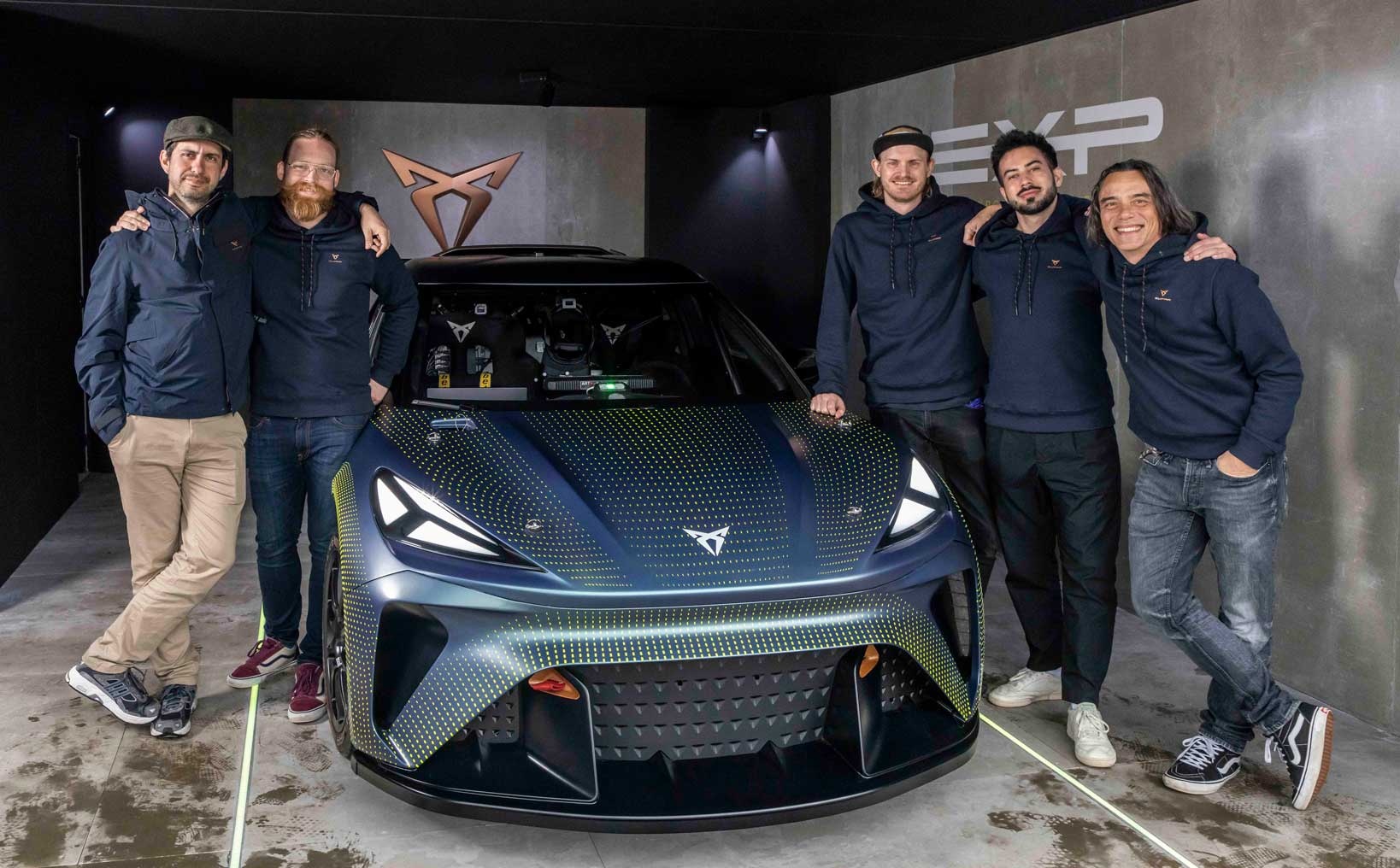
CUPRA Exponential Experience, mixed-reality racing project
Making two realities behave
CUPRA had a fairly ambitious problem to solve: how do you put someone behind the wheel of a real electric race car, give them a completely virtual world to drive through, and make the two feel like the same experience?
That became the CUPRA Exponential Experience, a mixed-reality racing project built around the UrbanRebel. The driver wore a VR headset, but everything happening underneath it was physical: the acceleration, the braking, the movement of the car, the force of the corners. Breach’s job was to make the virtual world keep up.
Working with CUPRA and Tokyo-based motion-tracking specialist LP-Research, Breach helped solve the motion synchronization behind the experience. That meant tracking the car, reading sensor data, understanding whether a movement came from the vehicle or from the driver turning their head, and translating all of it into a virtual environment quickly enough that the illusion held. It took more than a year and a half of development and around 500 kilometers of testing.
Projects like this have become something of a signature for Breach. The problems tend to sit in the complicated middle, where hardware, software and experience design all have to behave as though they were conceived together from the start. When it works, none of that complexity is supposed to be particularly visible. Which, naturally, is the difficult part.
Meta presented a different kind of moving target. Much of Breach’s work with Meta sits behind NDAs, but Super Boxing Gym gives away a little of what was happening. The project stretched across several years, major platform changes and more than one rethink, eventually becoming one of the most-played experiences on Meta Horizon, with more than five million players. The slightly inconvenient detail was that the technology underneath it was evolving at the same time. Marius describes it as “driving a train, sprinting down tracks that were being laid directly in front of us.” Somehow, they kept the train moving.
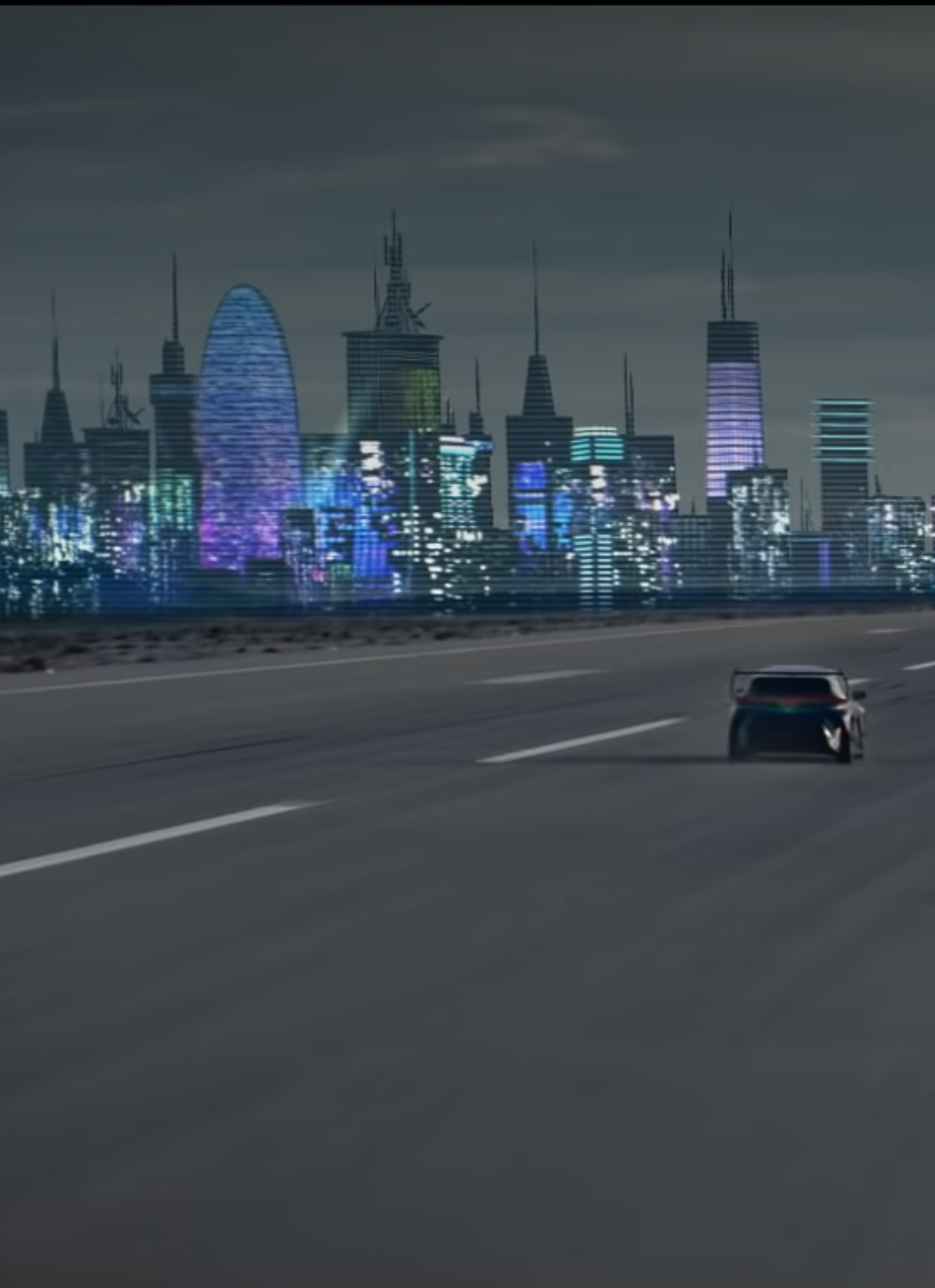
CUPRA Exponential Experience with Breach VR
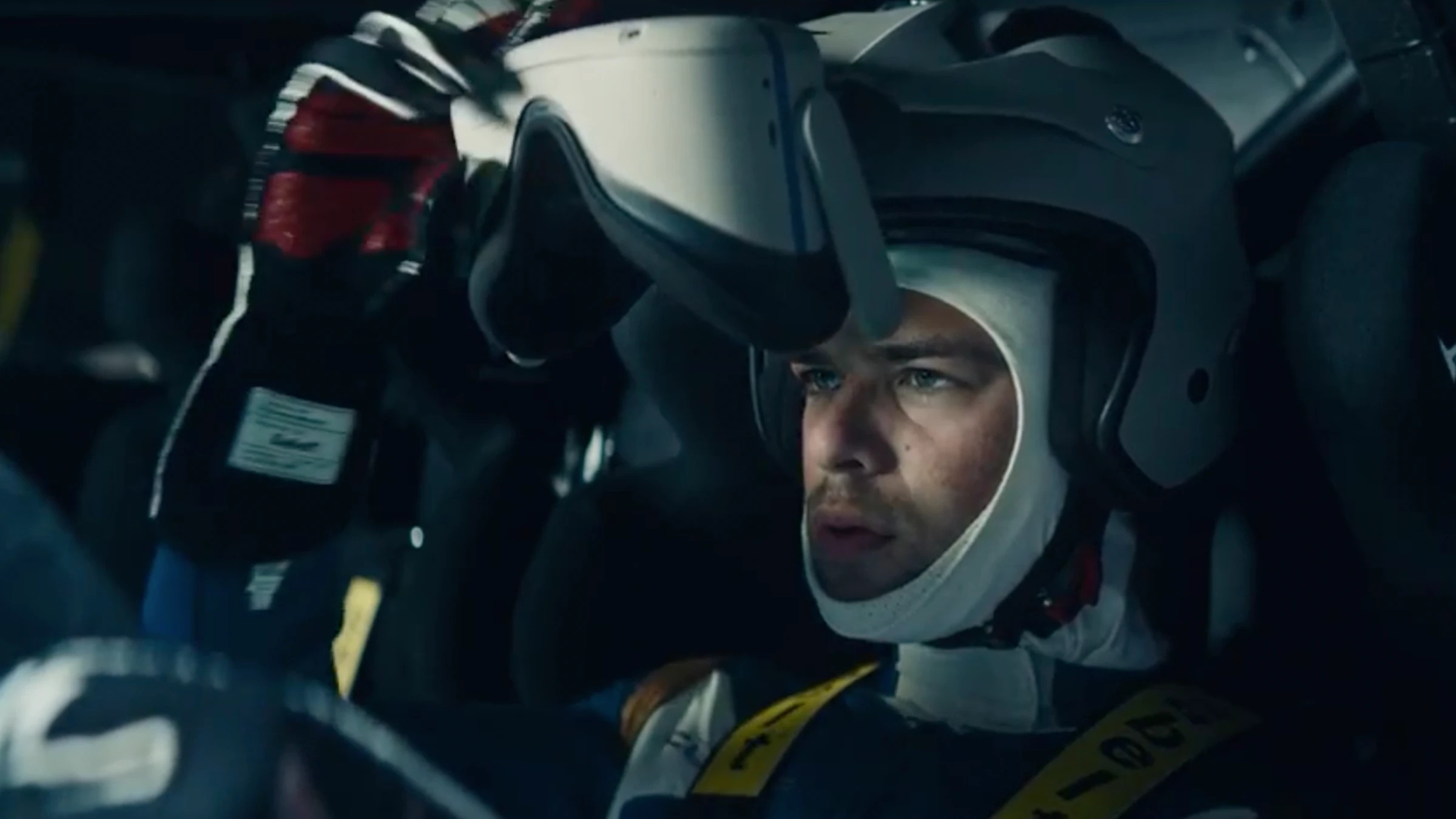
CUPRA Exponential Experience with Breach VR
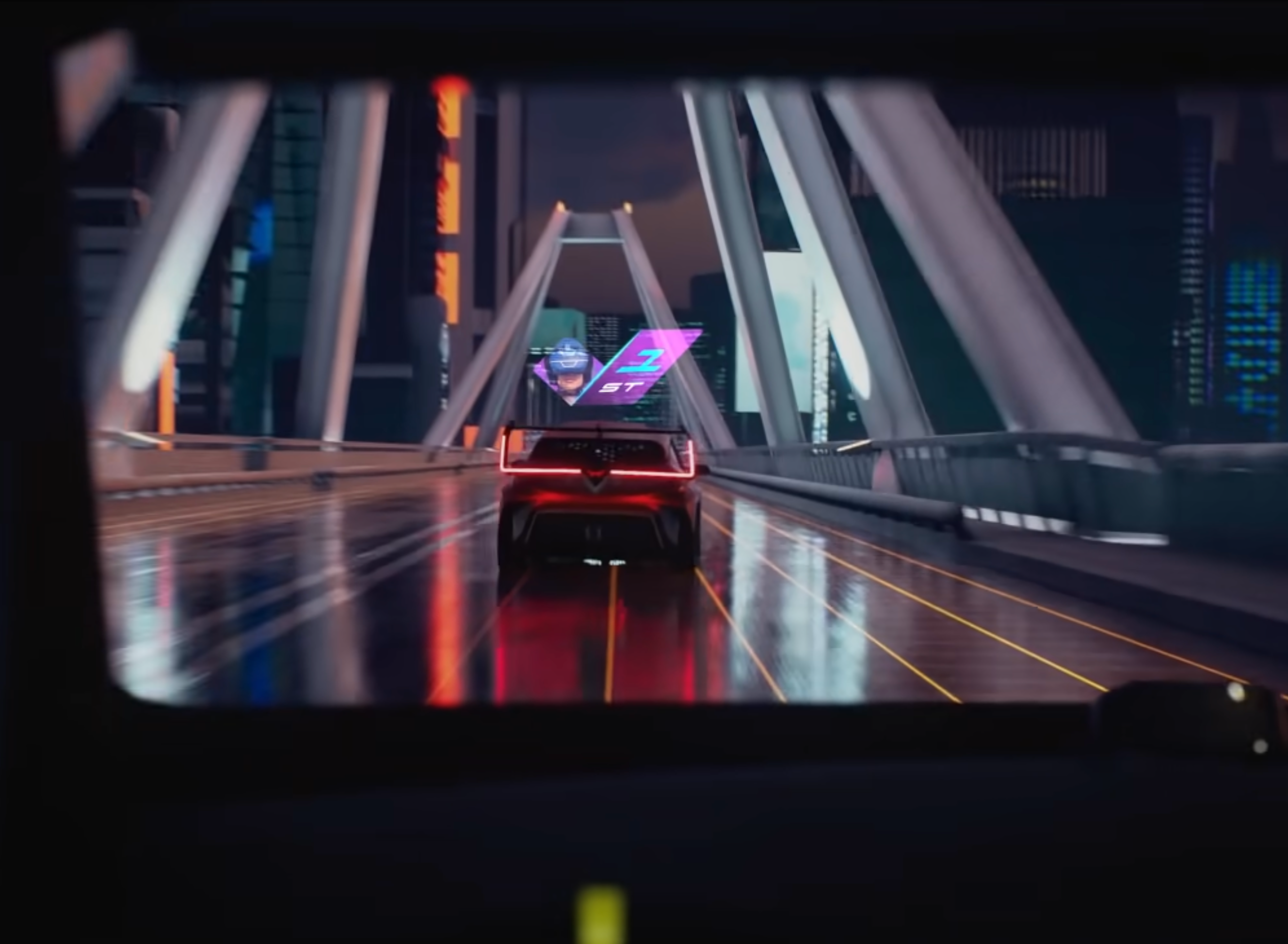
CUPRA Exponential Experience with Breach VR
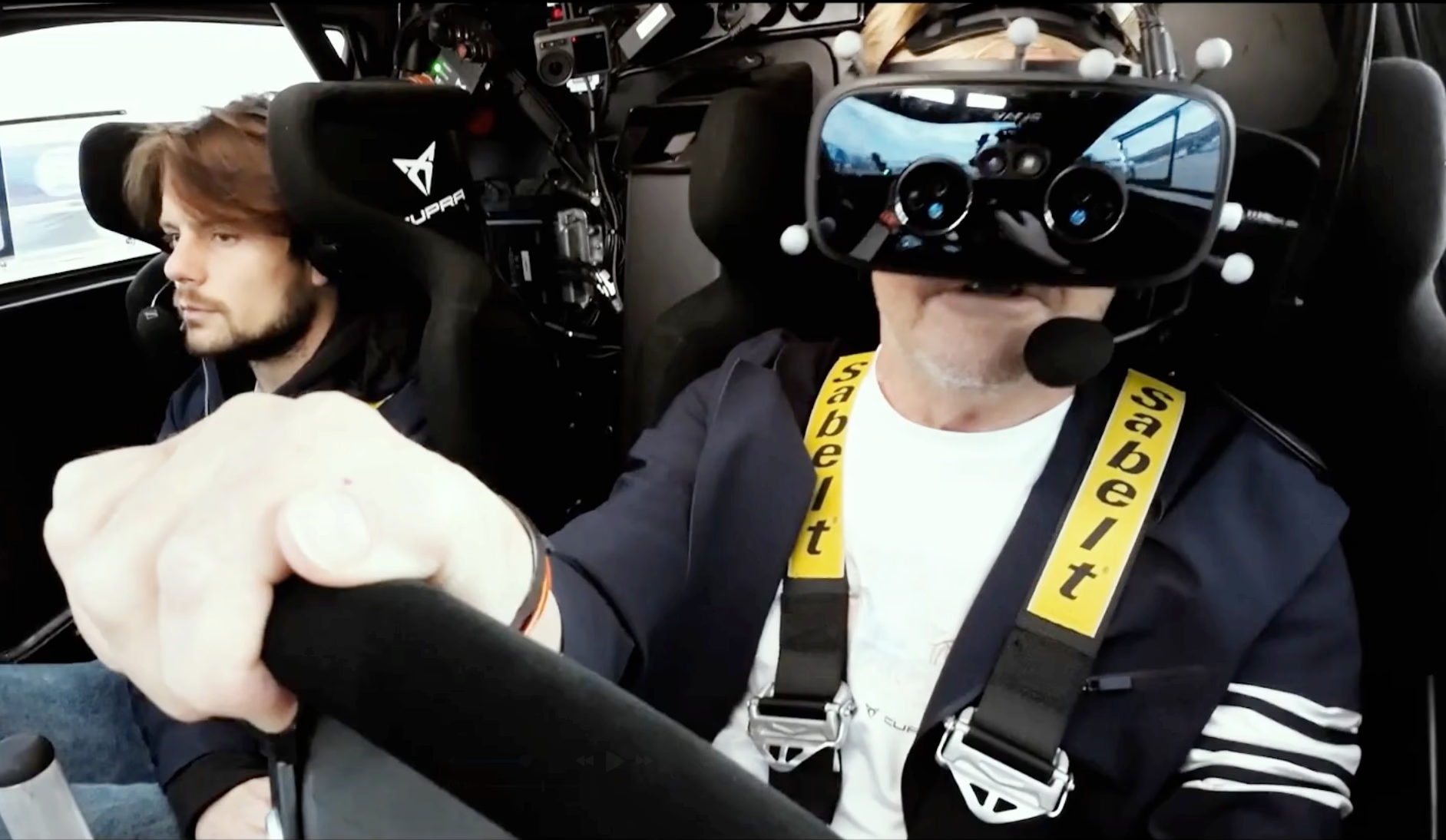
CUPRA Exponential Experience with Breach VR
The useful thing about being close
The work may start in Trondheim, but it rarely stays there. Breach has spent much of the last decade working with international partners, moving between markets, platforms and problems that have very little to do with where the company happens to keep its desks. And yet, the desks are still here.
“Our market has never really been Trondheim. But our home always will be,” Marius says.
It is a neat distinction, and a useful one. Trondheim does not need to be Breach’s market for the city to be part of its advantage. What it offers instead is proximity: a relatively small place with an unusually high concentration of people who know how to build things, test things, research things and, every so often, make the whole thing more complicated in exactly the right way.
Developers, researchers, founders, artists and engineers are rarely very far from one another. NTNU and SINTEF sit underneath much of that, but the useful part is often what happens outside the institutions, when disciplines start bleeding into each other and a conversation turns into something more concrete.
Breach is, conveniently, its own proof point. Three people met at Work-Work and built a company. Not because Trondheim had carefully engineered the encounter, but because cities of this scale have a way of making useful collisions slightly more likely. In a larger city, those worlds might live in different neighborhoods, industries or calendars. In Trondheim, they have a habit of crossing paths before anyone has had time to formalize the introduction.
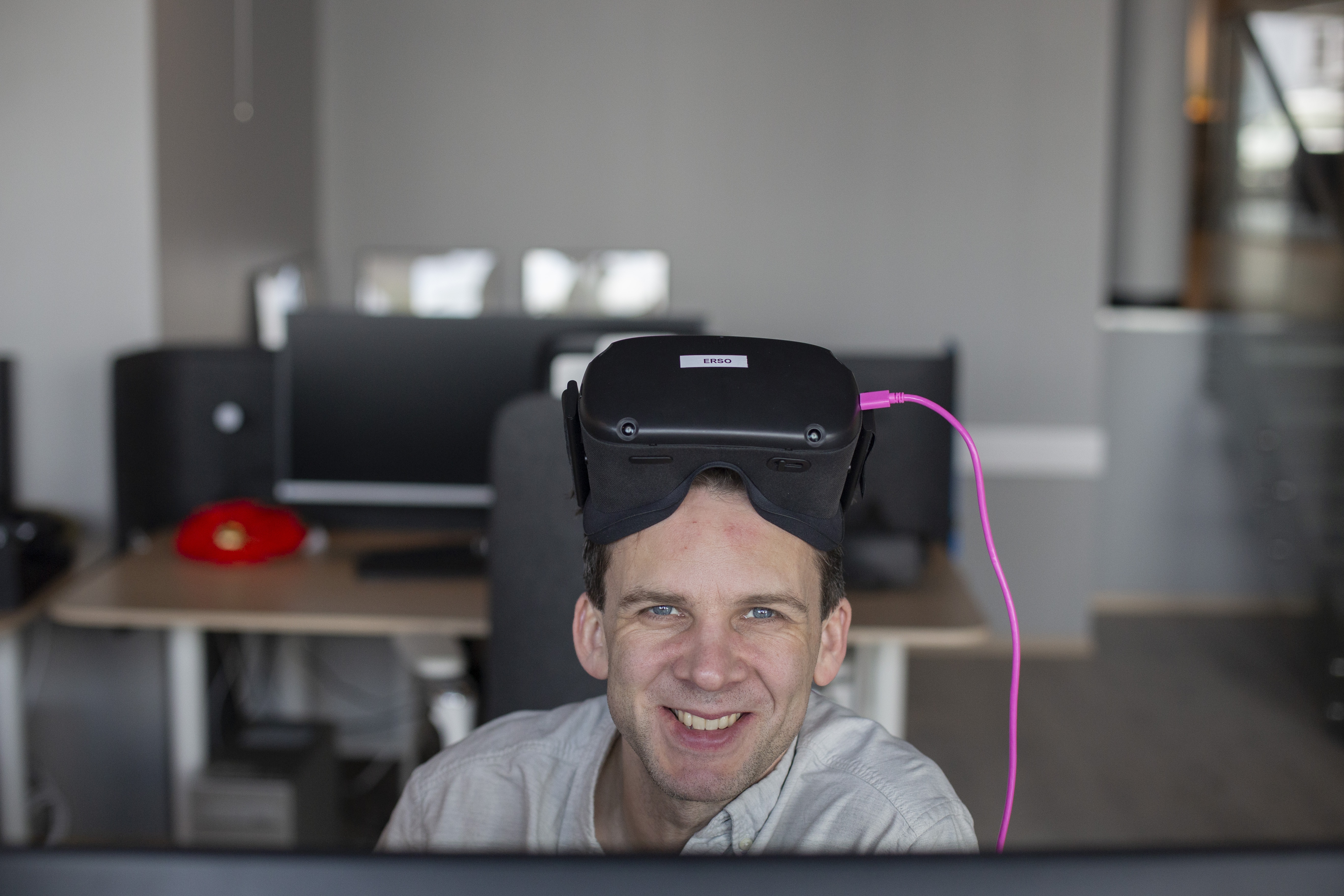
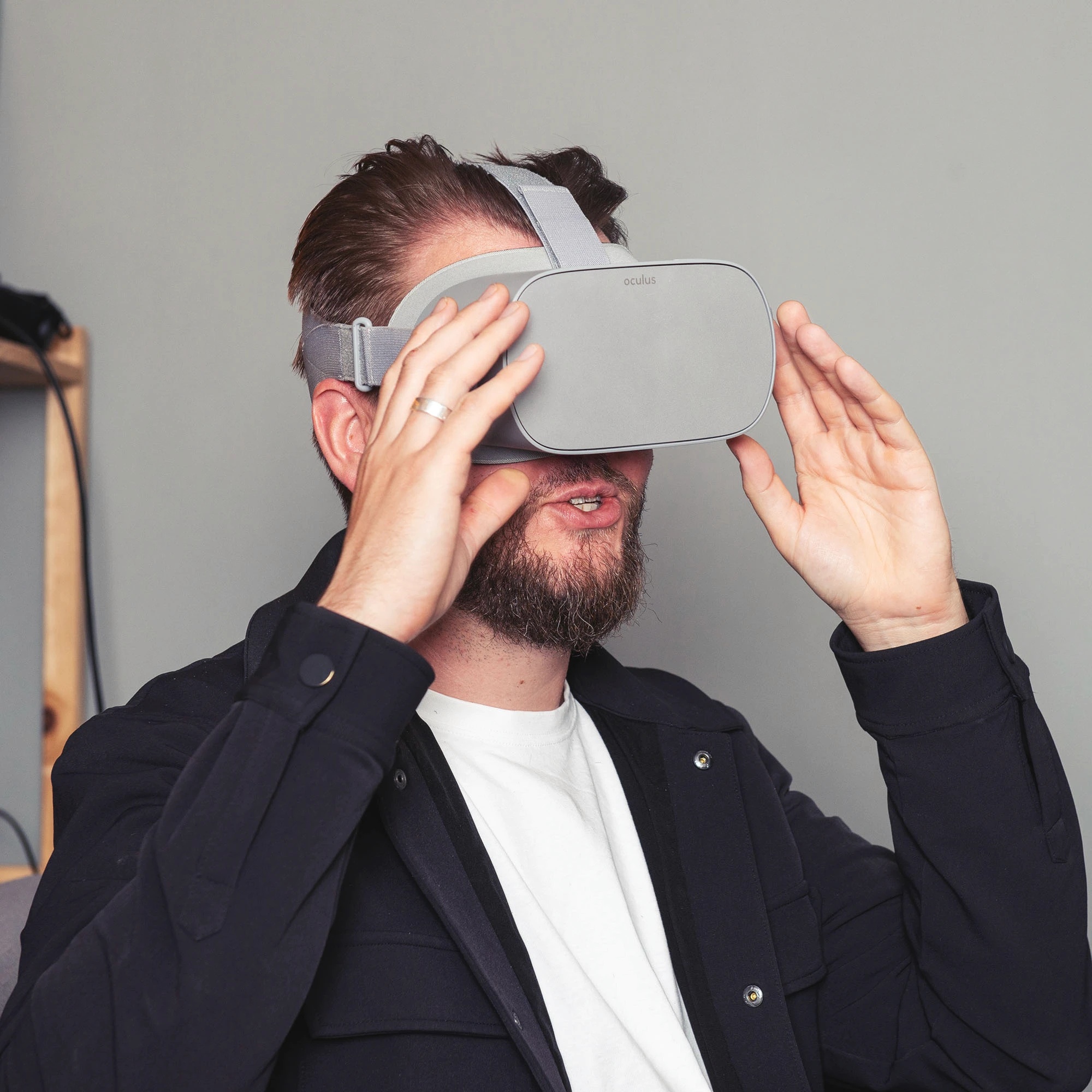
Martin Sivertsen, CTO at Breach
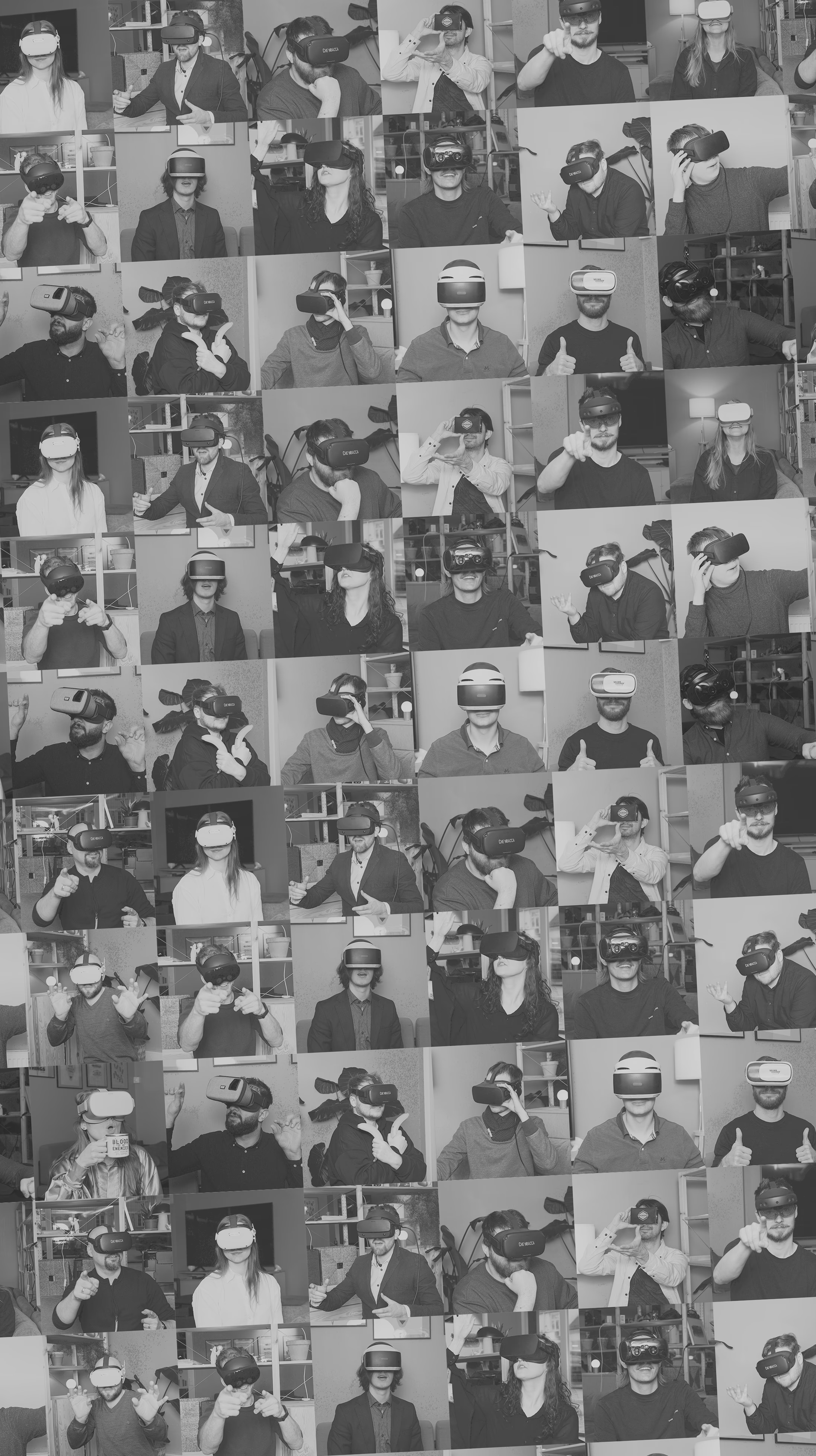
Breach, Trondheim
Sindre Grønvoll, Head of Art at Breach
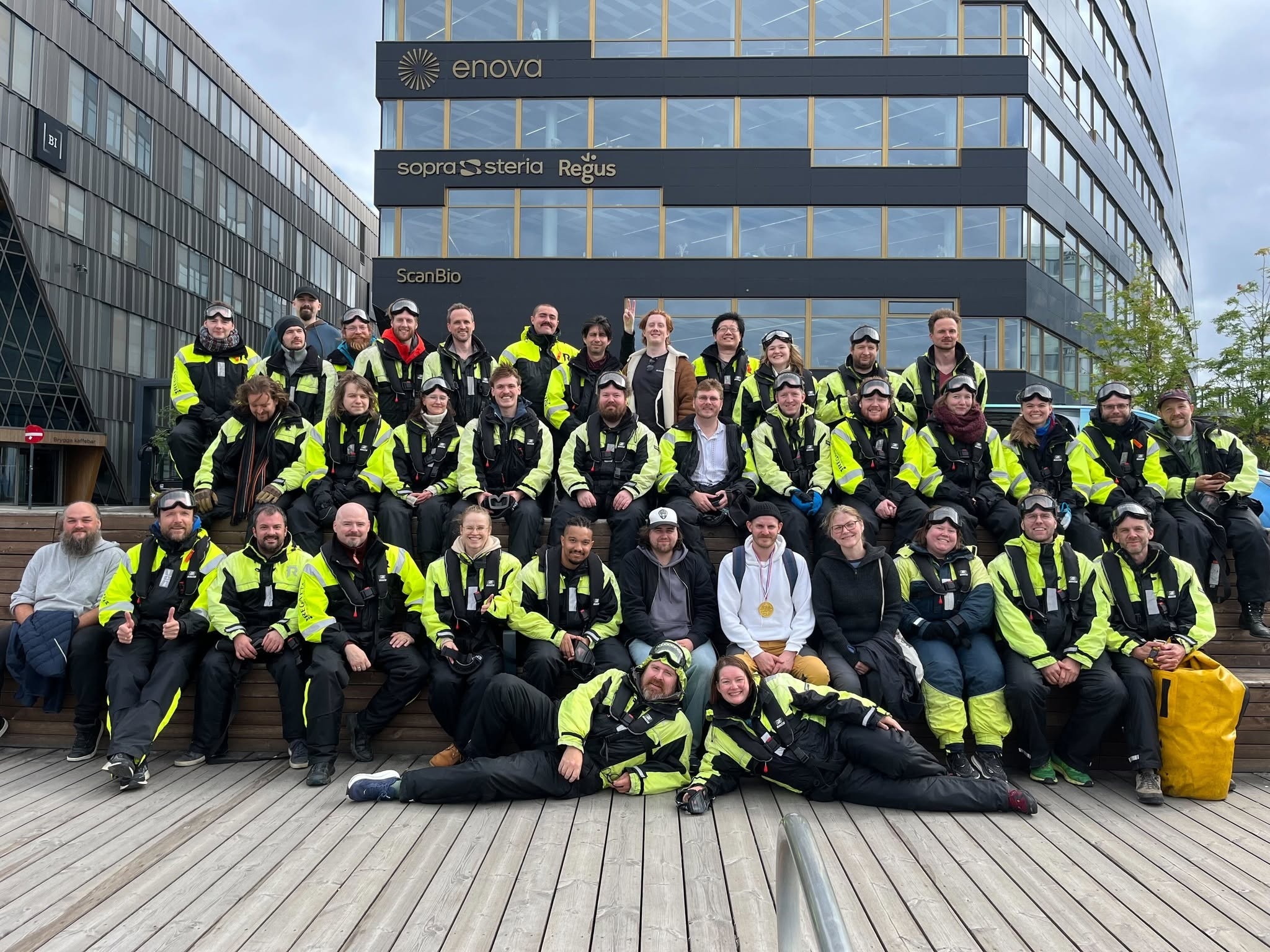
Breach team, Trondheim
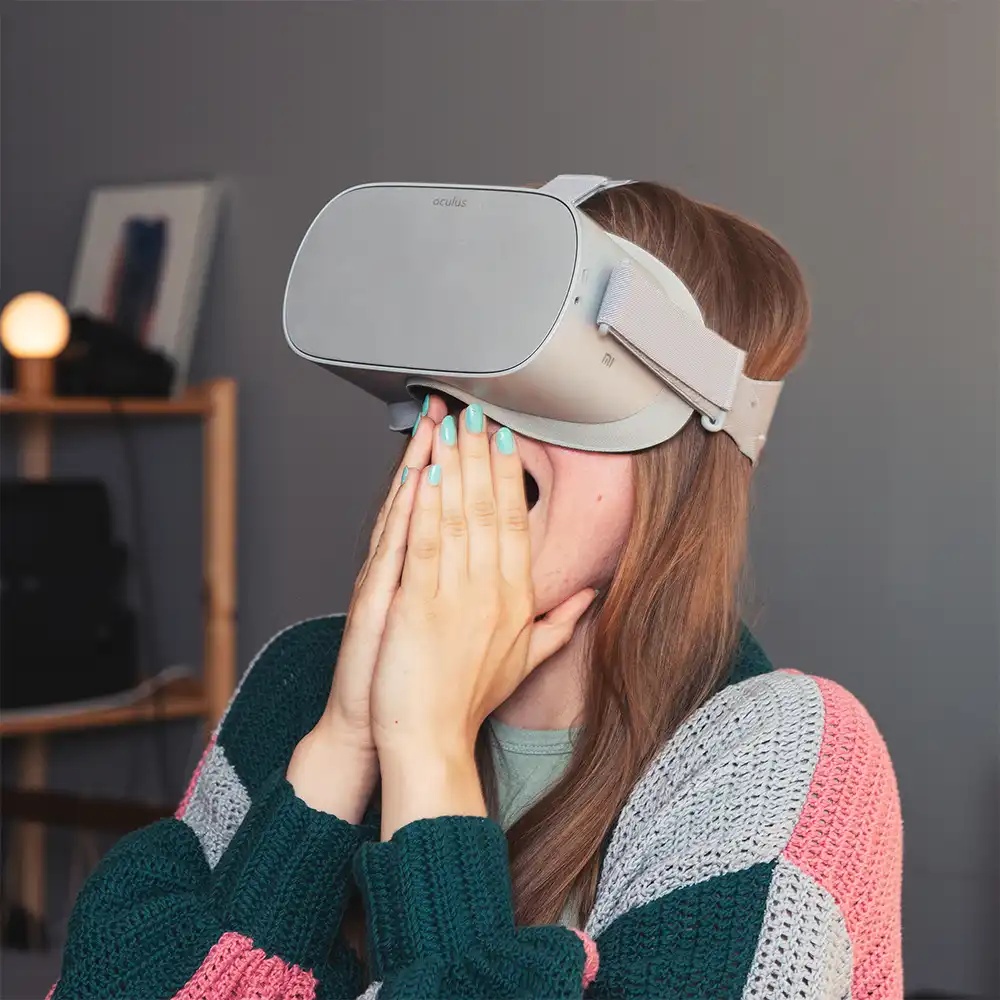
Mathilda Berhoft Osa, Artist at Breach
The things worth holding on to
Ten years of moving between client work, original games, new hardware and emerging technology has given Breach a much clearer sense of where it wants to spend its energy. That has started to change the balance. Innovation is becoming a much larger part of the company, alongside creative co-development and original games and IP. Breach is putting more weight behind products, technologies and ideas it can continue developing itself, while still working with partners on the kinds of technical challenges that shaped the company in the first place.
“Towards 2030, we want to build more things that we have a stake in ourselves,” Marius says. “Games, products, new services.”
It is less about doing something completely different and more about knowing what is worth holding onto. Ten years is long enough to learn that being interested in everything and building everything are two rather different skills. Breach is getting clearer about the second.
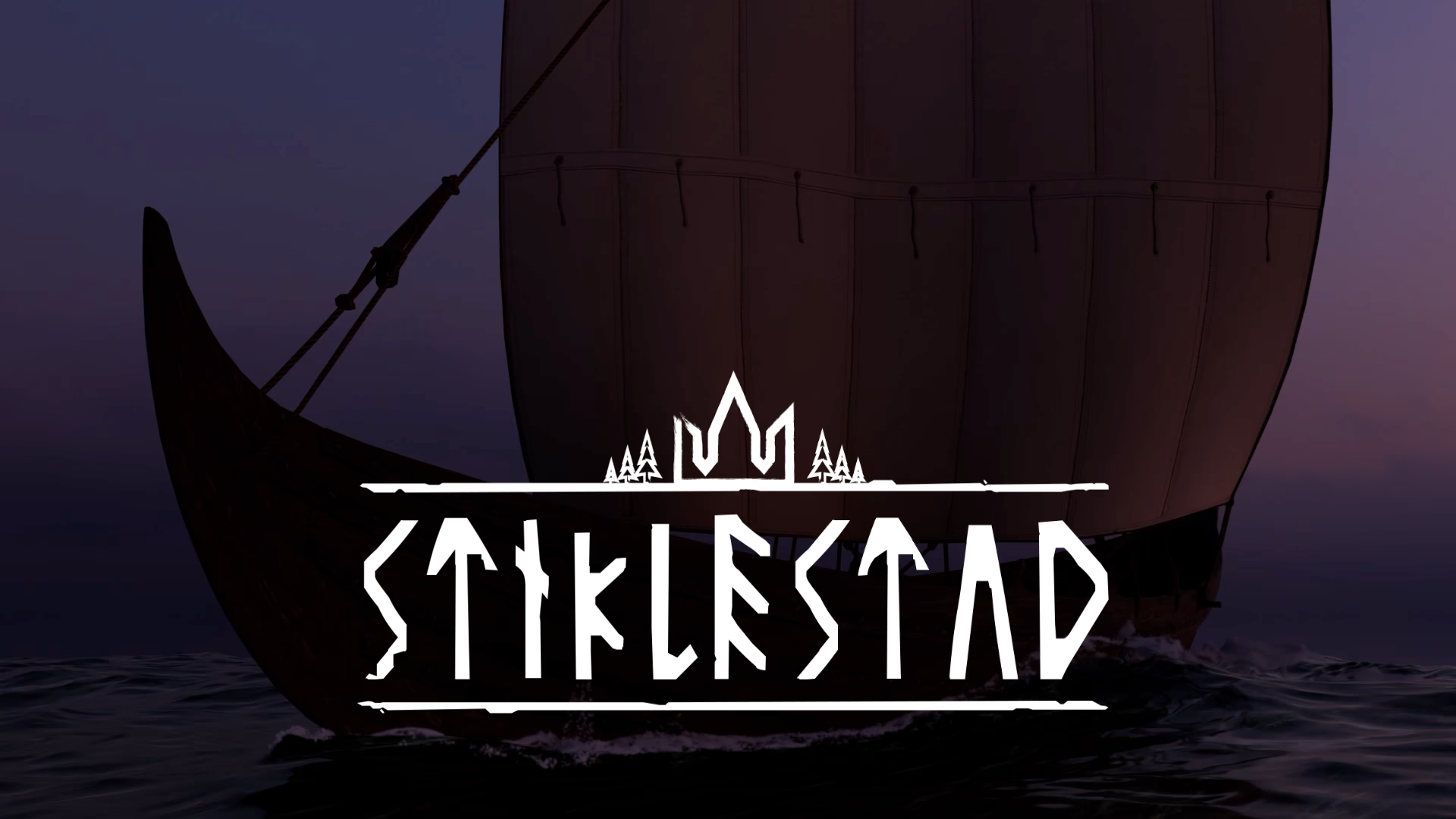
Stiklestad is a narrative Role-Playing Game being developed by Breach
A very old story, new tools
By 2030, Breach will be building toward something much closer to home. The studio is developing the Stiklestad 1030 project, centered on the Battle of Stiklestad, the 1030 event that became a turning point in the formation of Norway and will sit at the center of the country’s National Jubilee in 2030, exactly a thousand years later.
For Breach, the interesting part is not simply reconstructing 1030. It is getting closer to the world before centuries of mythology, pop culture and very polished Vikings got involved. The team is working with historians and archaeologists to build the narrative from actual historical sources, which means resisting some of the versions of the Viking Age we have become rather attached to. What emerges is a world shaped by ideology, belief, power and cultural change, with tensions that feel surprisingly current for something that happened almost a thousand years ago.
“We want people to have fun and be excited,” Marius says. “But the ambition is that you understand more about our world today, and by extension yourself, by playing it.”
A thousand years turns out to be less distance than it sounds.
There is something quietly fitting about the direction. Breach has spent a decade building outward from Trondheim, working with international partners and testing what new technology can do. Now some of that attention is turning back toward Trøndelag, with a story that was here long before VR, mixed reality or most of the technology being used to tell it. And 2030 gives them a fairly compelling reason to get it right.
A lot has changed since those first conversations at Work-Work. The technology is better. The projects are bigger. And after ten years of working across games, products and emerging technology, Breach has a considerably clearer sense of which ideas it wants to follow. The company describes its ambition as “building better realities.” Deliberately broad, perhaps, but by now the definition has expanded well beyond VR. A reality might be a game, a product, a new piece of technology or something that does not have a particularly useful category yet.
Towards 2030, more of those ideas will begin inside Breach itself. More innovation, more original IP, and more things the company has a stake in long after the first version is finished. The tools will keep changing. For Breach, that has always been part of the appeal.

Author's profile
McKenna Starck
Trondheim Brand Manager
McKenna works with the development of Trondheim’s city brand and Trondheim.com, with a focus on brand strategy, content and the overall digital experience.