3 September 2026 · 6 min read · By McKenna Starck
The extracurricular that left Earth
Freider came to NTNU for an engineering degree and got a little sidetracked by Orbit, SpaceX, and the small matter of building a national network that is already shaping the next generation of Norway’s space industry.
- Student Life
- Tech & Innovation
- Science & Research
- Entrepreneurship
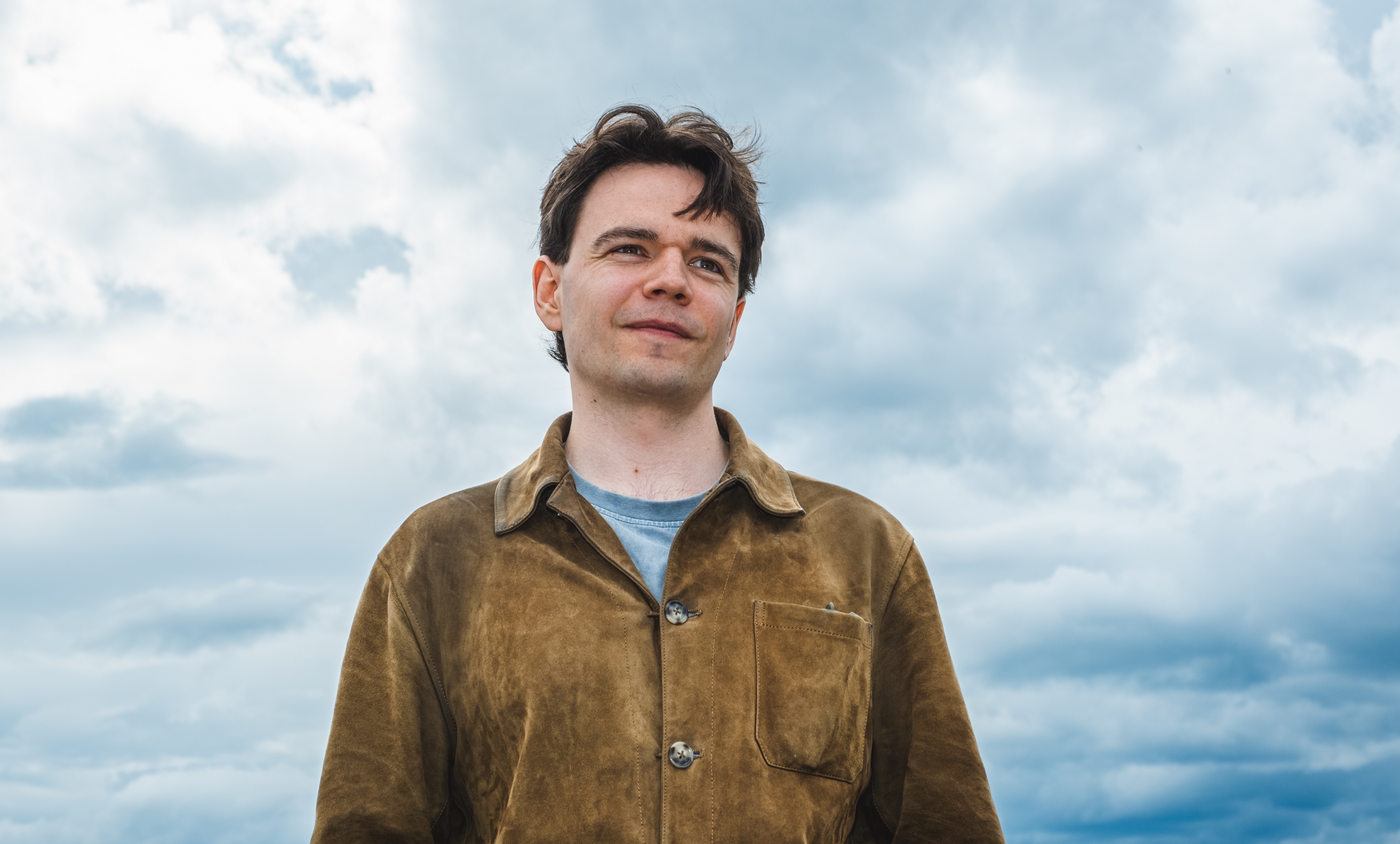
Freider Fløan, founder of NORSTEC. Photo: Ludvik Hestbek, TRD Brand
Freider Fløan was supposed to have a master’s degree by now.
Instead, university somehow stretched into satellites, SpaceX launches, a project to grow a plant in orbit, a national network for student space organizations and, because apparently that wasn’t enough, a podcast on the side. The degree is still coming. Freider has been otherwise occupied.
Space wasn’t the plan. He arrived at NTNU knowing he wanted to become an engineer, but not yet aware that “engineer” might one day mean standing in Florida watching something you helped build leave Earth. Three weeks into his first semester, he interviewed for Orbit NTNU, walked out convinced he had completely blown it, and got in anyway.
A year later, he was leading Biosat, a satellite project worth several million kroner. He was barely out of his first year and, by his own account, knew almost nothing. In most places, that might have slowed things down. Around Trondheim’s student organizations, “let’s build a rocket” has a way of becoming a perfectly legitimate extracurricular activity.
By then, Freider had already watched Orbit launch a satellite with SpaceX. Now he was responsible for one of his own, with a team around him and the wonderfully ambitious plan of growing a plant in space. It was stressful, surreal and a very long way from what he had imagined university would look like. Then again, getting into Orbit had already gone differently than expected.
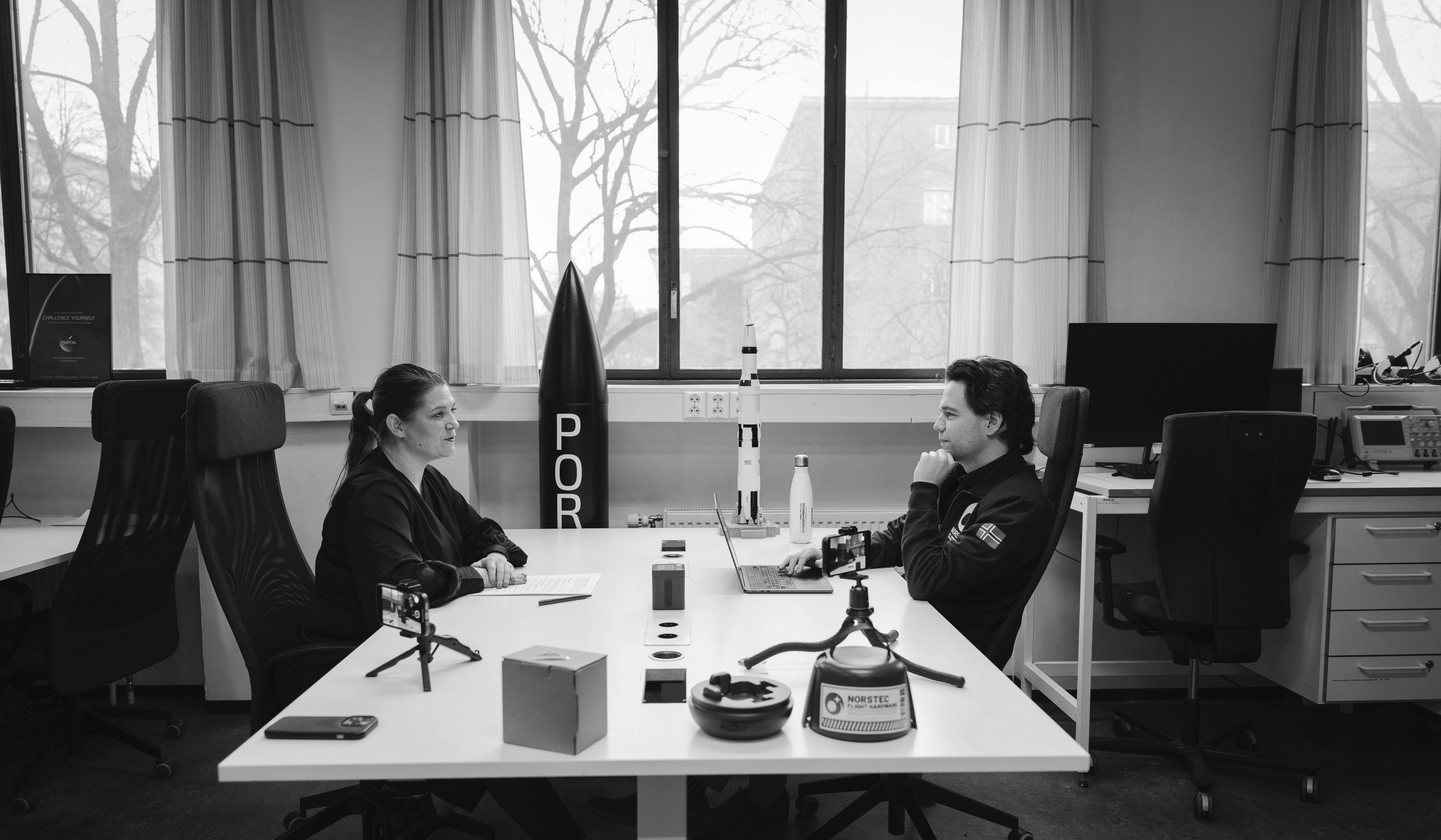
Spacepodden podcast with Cecilie Myrseth, Norway's Minister of Trade & Commerce
The Trondheim he hadn’t met yet
Freider grew up on Byåsen, on Trondheim’s west side, where the city eventually gives up and becomes Bymarka. Still, the huge student world threaded through Trondheim had mostly existed somewhere just outside his line of sight. His strongest impression of it was exam season: full buses, pale faces and the general sense that no one had slept properly in days.
For a while, he assumed university might be the part where he left. Then came the military, a Covid-era gap year working in a kindergarten, and finally the decision to become an engineer. At that point, NTNU was difficult to ignore. So he stayed, moved across town and, almost immediately, found himself in a version of Trondheim he somehow hadn’t met before. During fadderuka, the week-long collision of new students, parties and organized chaos that opens the academic year, he even managed to get lost in the city center. He had lived here his whole life. “There was a bit of alcohol involved,” he says.
Most of his old friends had moved away, which gave him very little chance to keep living exactly as before. So he tried things. Triathlon. Revolve. Orbit. Whatever looked interesting enough to interrupt the plan. Trondheim is unusually good at putting too many options in front of students and making all of them seem reasonable. For a while, Freider believed them. Eventually, Orbit was the one he kept.
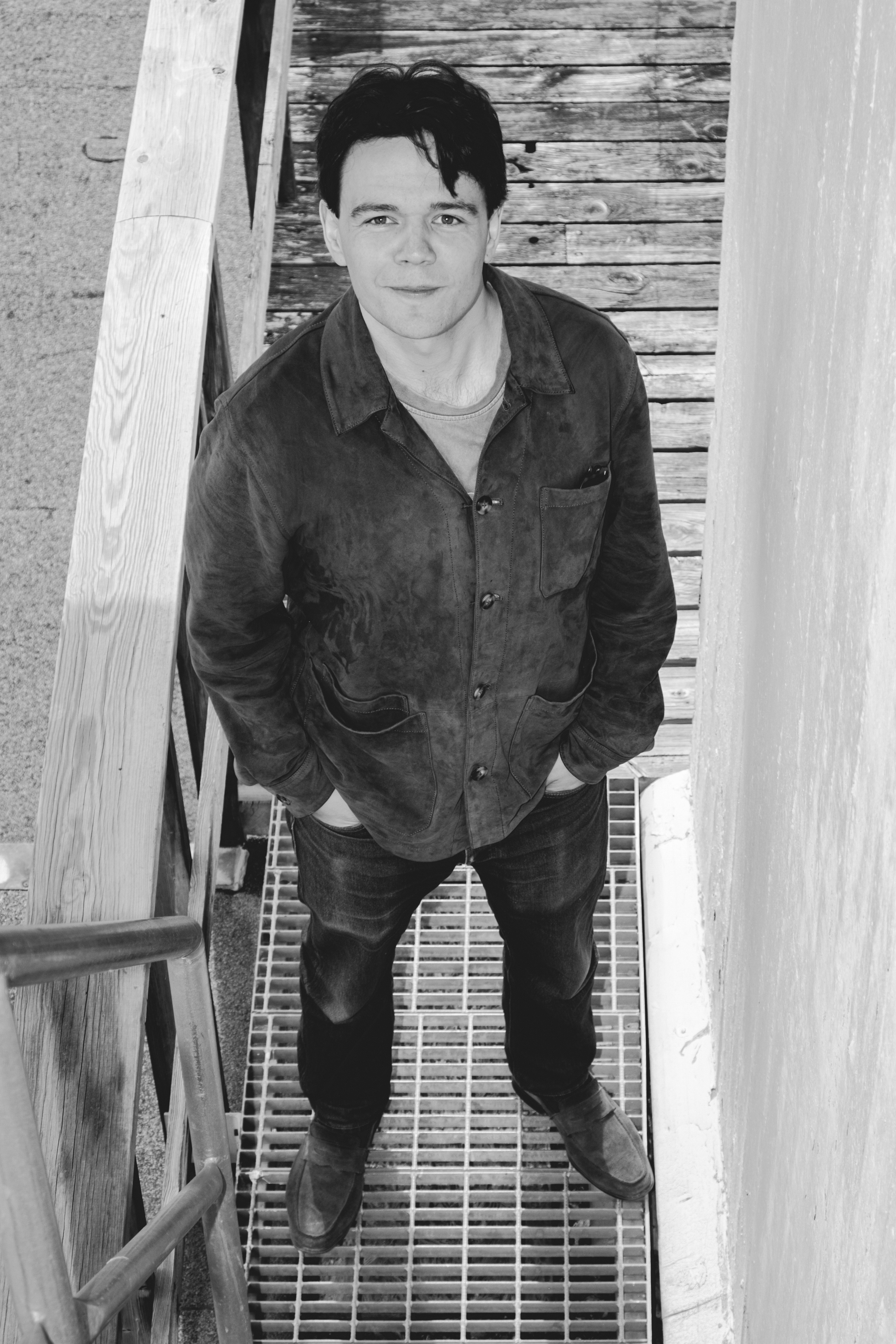
Freider Fløan, NORSTEC. Photo: Ludvik Hestbek, TRD Brand
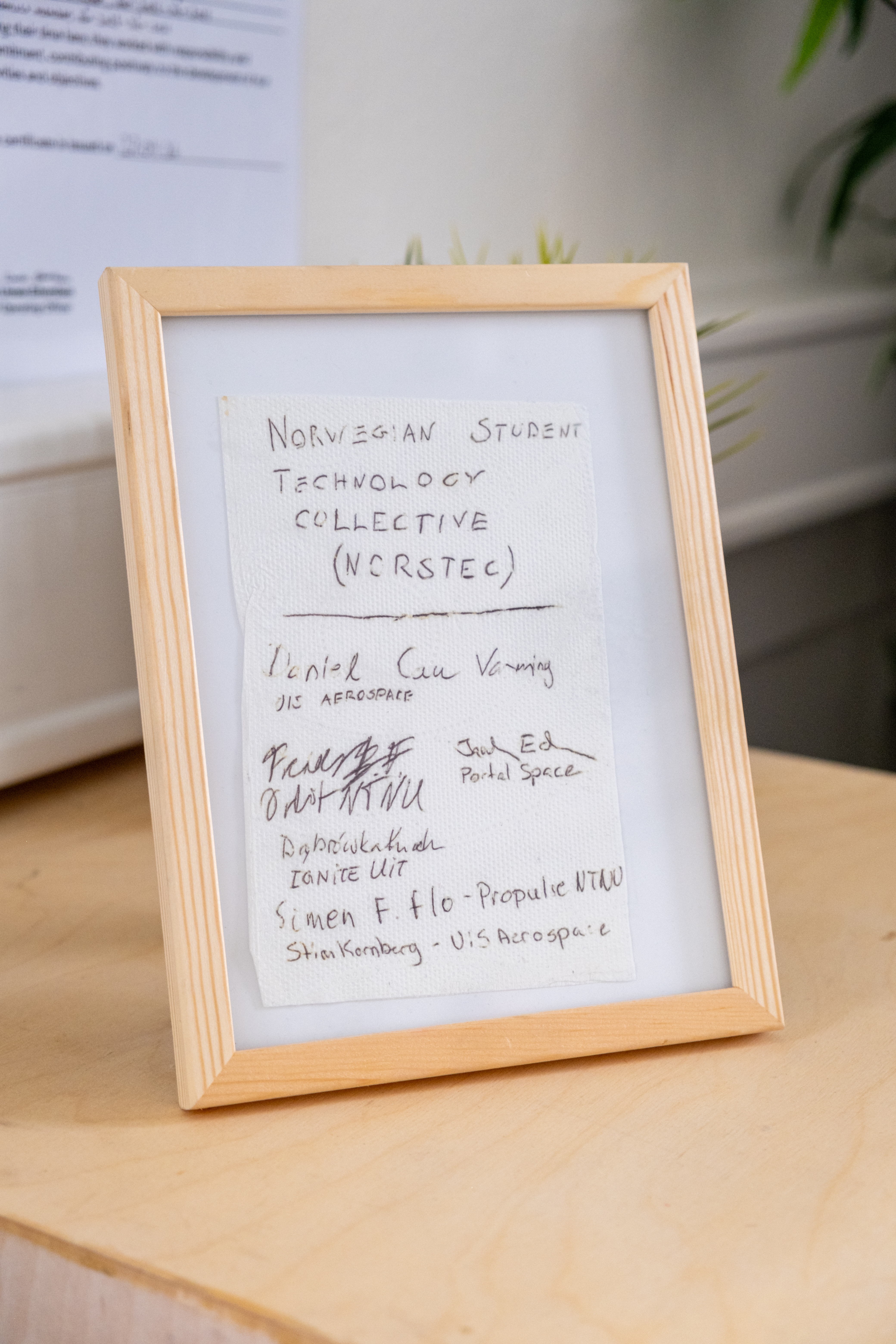
An early NORSTEC founding note, on a napkin. Photo: Ludvik Hestbek, TRD Brand
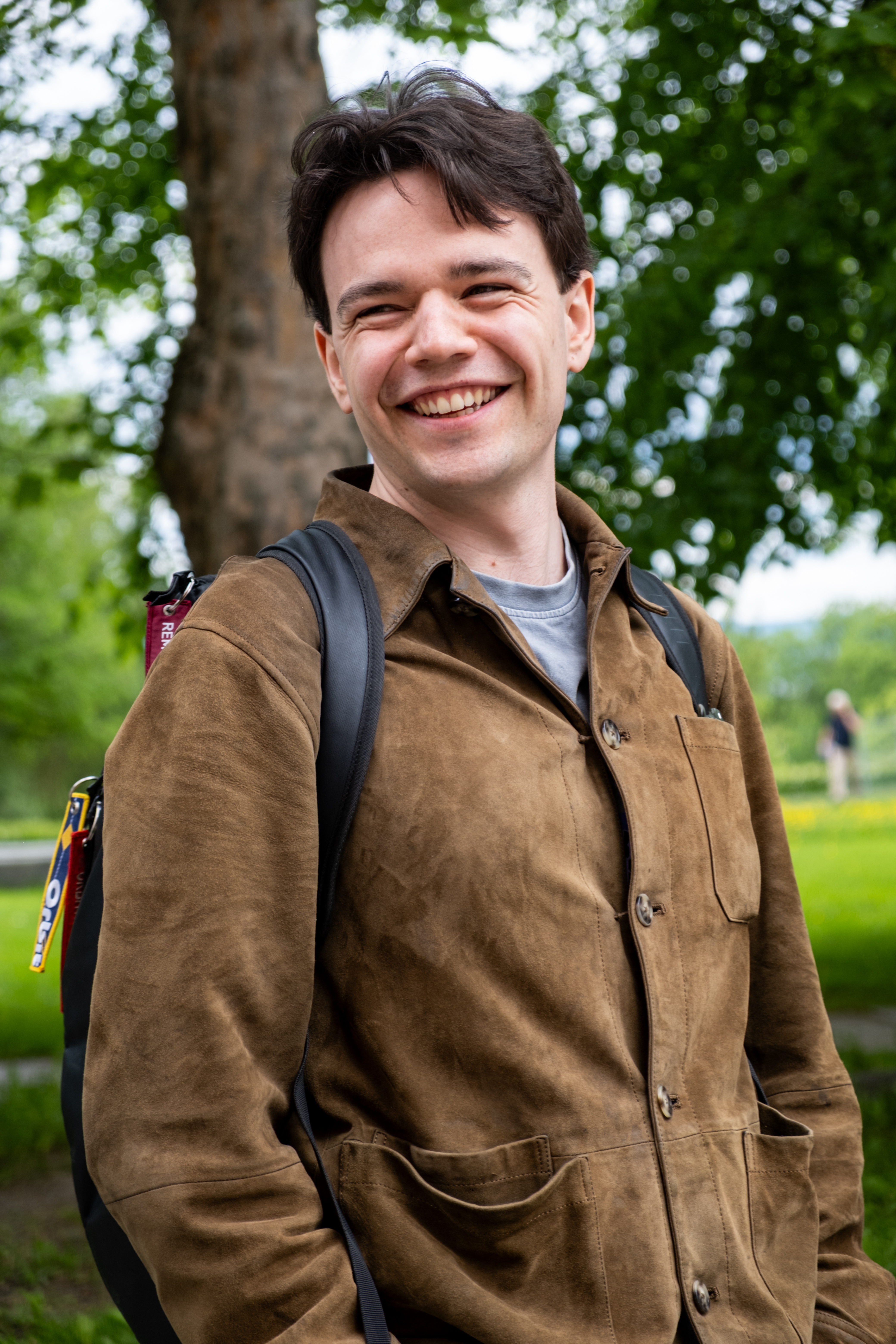
Freider Fløan, NORSTEC. Photo: Ludvik Hestbek, TRD Brand
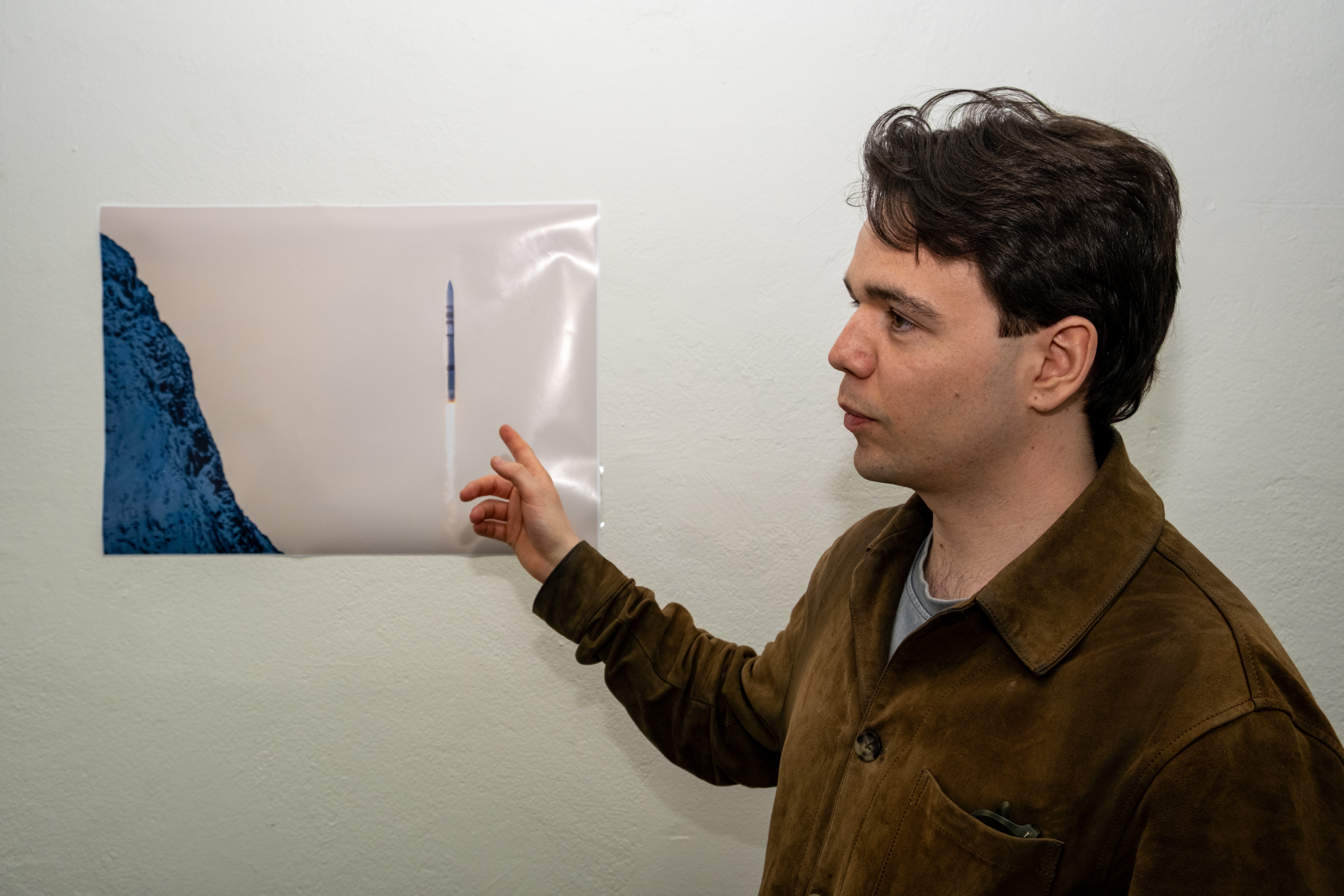
Freider Fløan, NORSTEC. Photo: Ludvik Hestbek, TRD Brand
Not exactly a student project
Orbit can sound deceptively small when you describe it too quickly: a student organization at NTNU that builds satellites. The reality is slightly more serious. There are now more than 100 students involved, they have already sent hardware into orbit, and somewhere along the way “tinkering in a lab at Gløshaugen” became working with SpaceX.
The learning curve inside it is less a curve and more a vertical climb. Projects stretch across years, real money is involved and students are expected to learn quickly enough to keep up. Biosat, the satellite Freider took over barely a year after joining, now has a SpaceX launch slot scheduled for late 2027 after three years of negotiations with Space Norway.
The whole thing started, rather fittingly, on a rooftop in Trondheim, when someone from Space Norway leaned over and quietly told Freider, “We’re going to fix a launch for you guys.” Three years later, they did.
“It doesn’t seem like something you should be allowed to do as a 26-year-old.”
- Freider Fløan
A 5,000-kroner dinner and a Slack channel
NORSTEC began with a dinner Freider and the other students couldn’t afford. At a space conference in 2023, the industry crowd was heading to one that cost around 5,000 kroner a seat. The students went to Oslo Street Food instead, which turned out to be considerably more consequential. Freider invited people from student space organizations around the country, then ran into the small problem of email: nobody could see anyone else’s replies. So he made a Slack channel.
“And from there, it just snowballed into an organization.”
The original ambition was much less dramatic. A shared Slack, maybe a monthly meeting, somewhere for students who normally crossed paths once a year at conferences to keep talking in between. What mattered was that Freider didn’t build it as a Trondheim project and then ask everyone else to come along. Leaders from student organizations across Norway were there from the beginning, each with a hand in shaping what NORSTEC would become. The network grew with them.
Today, it connects more than 500 students, and
the dynamic around them has changed with the numbers. Freider remembers being a Biosat project manager, approaching companies and trying to convince them to work with students. Once NORSTEC gathered those students into one voice, the direction of travel reversed. “It was the industry coming to us, wanting to work with us,” he says. His version is simpler: “The tables have turned.”
There’s a longer game to all of this. The students in NORSTEC will eventually scatter into companies, research labs and space programs around the world, and Freider suspects the real payoff won’t show itself for another ten years. By then, the people they met over cheap dinners and Slack threads may be the ones picking up the phone when something ambitious needs doing. That, for him, is part of the point.
The orbit keeps widening. Freider has also helped start a NASA HUNCH association in Norway, part of a NASA program that gives students hands-on experience designing and building real products for the agency. Another fairly improbable addition to a university experience that was supposed to end with a master’s degree.
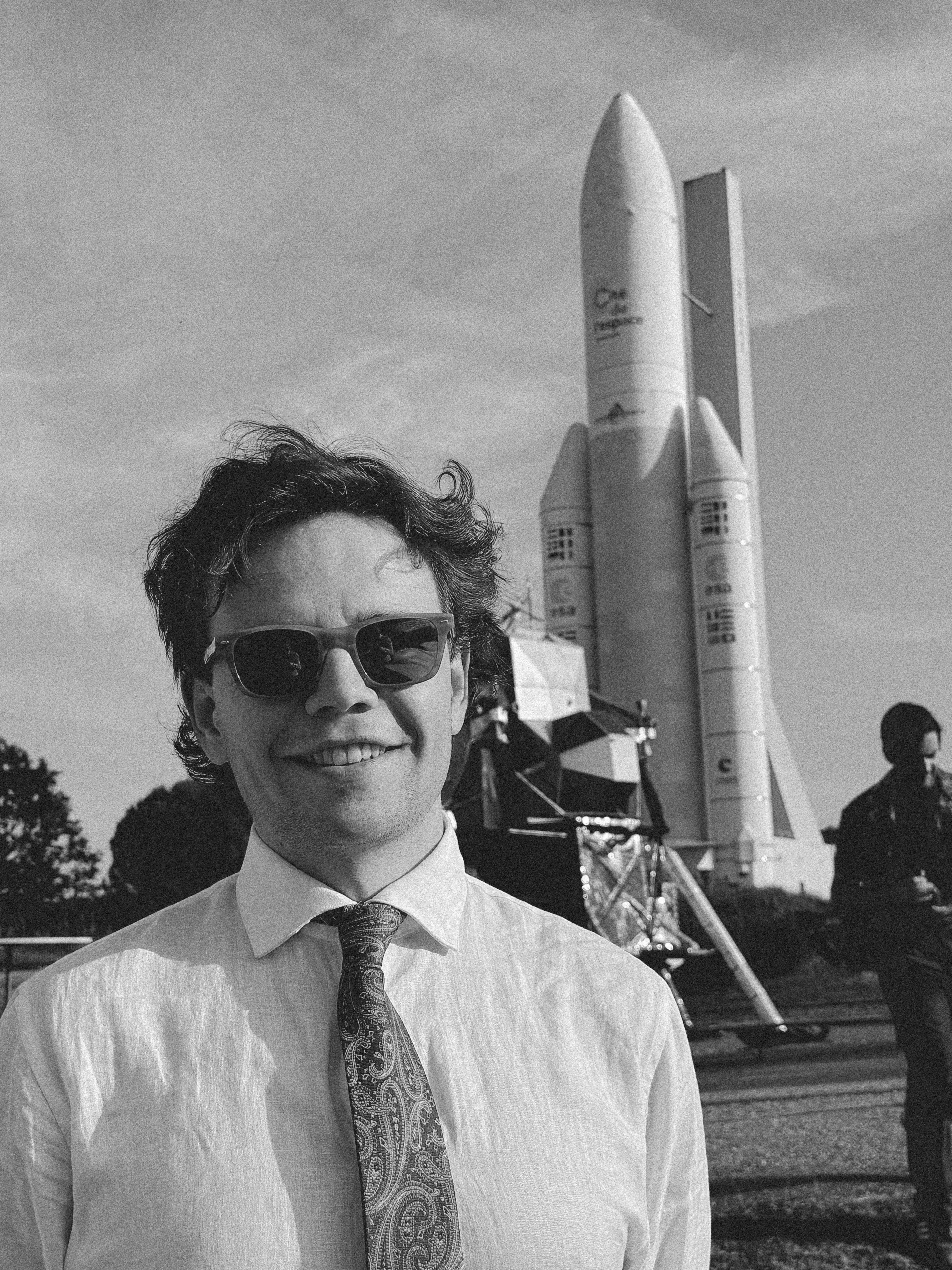
“Dinner in front of the Ariane rocket after a space workshop in Toulouse, southern France.”
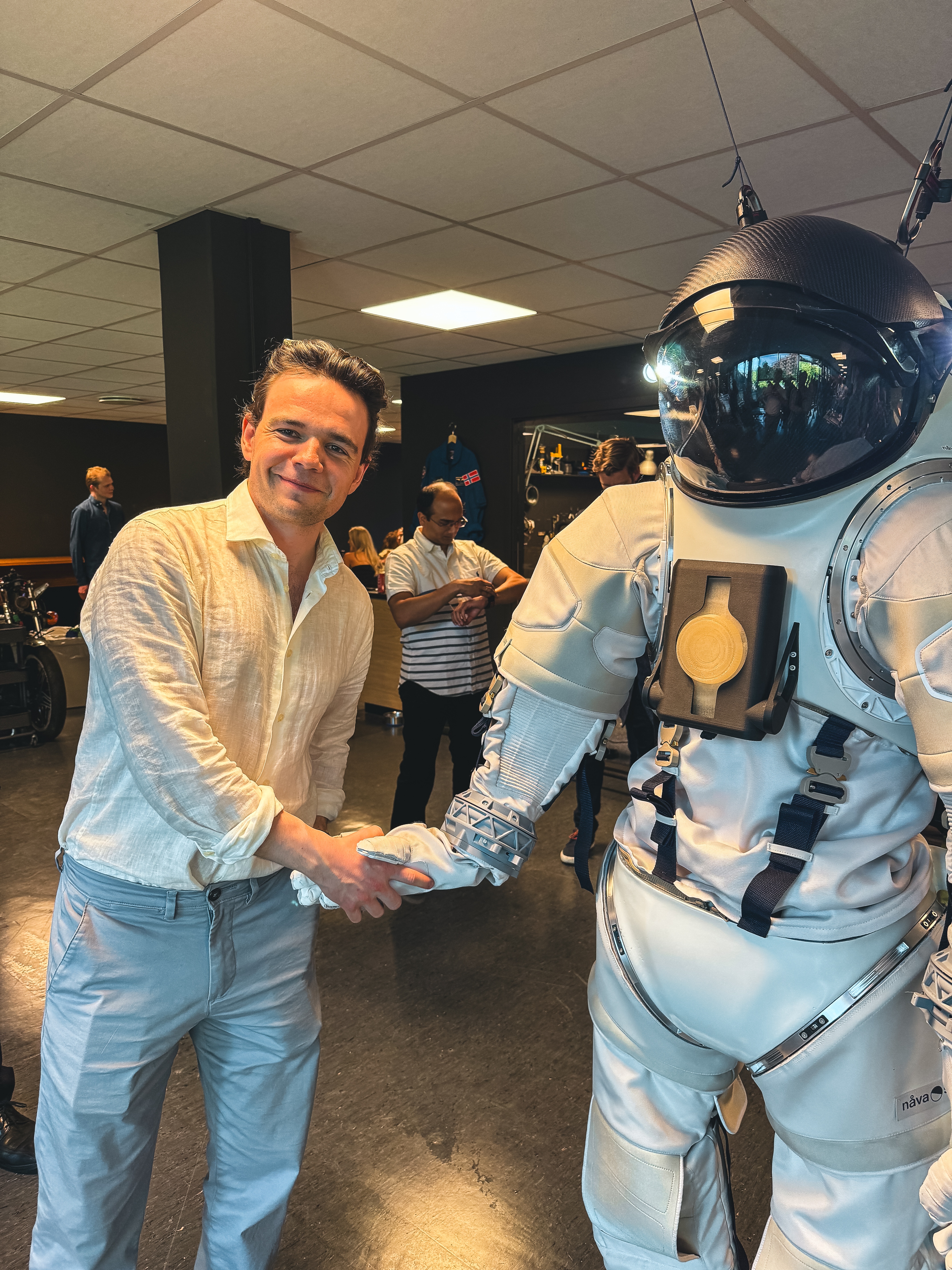
“Me at the launch of Nåva Space’s new spacesuit.”
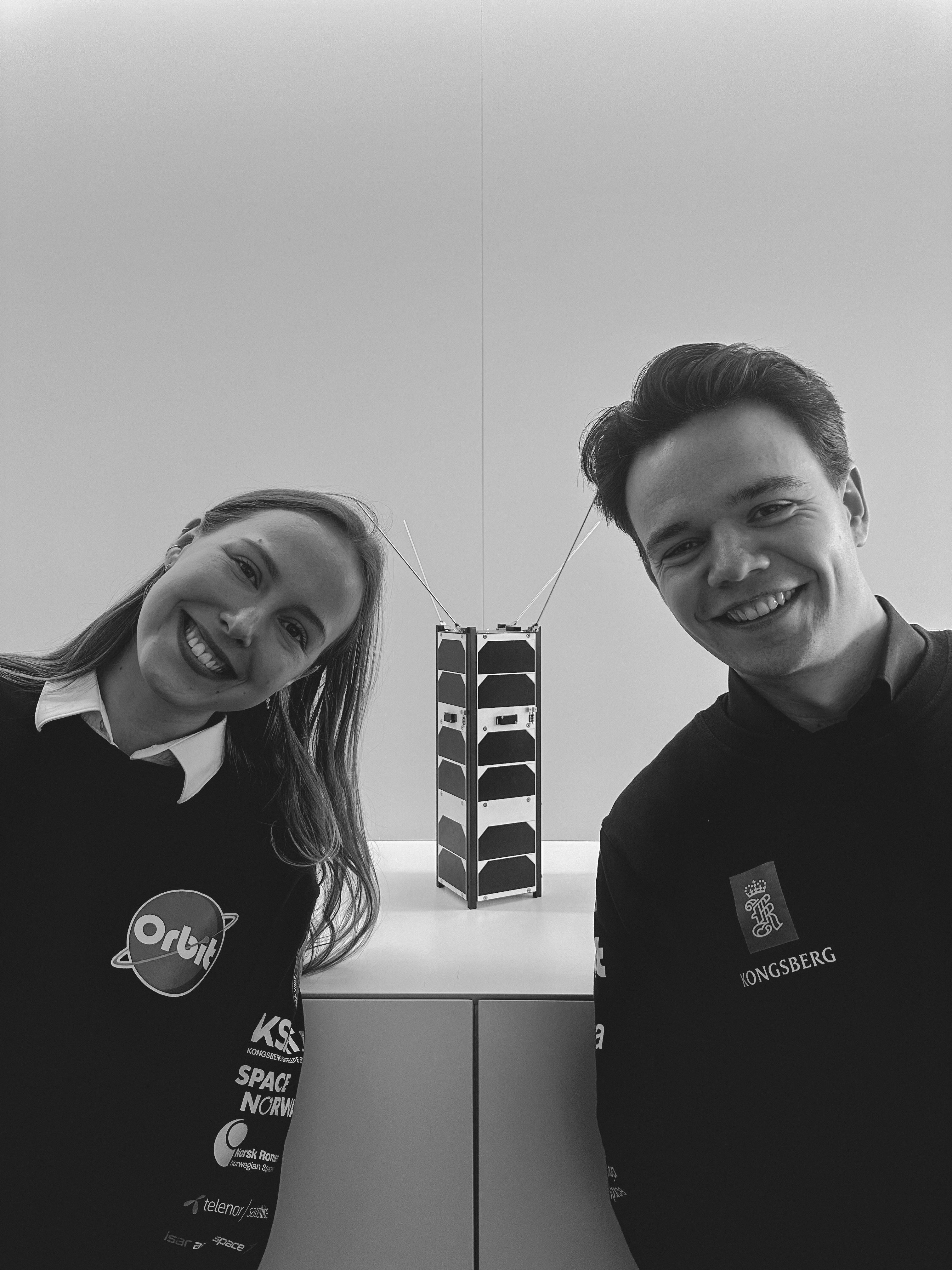
"Right before we signed a deal to buy a really, really expensive satellite components from KNA in Lithuania."
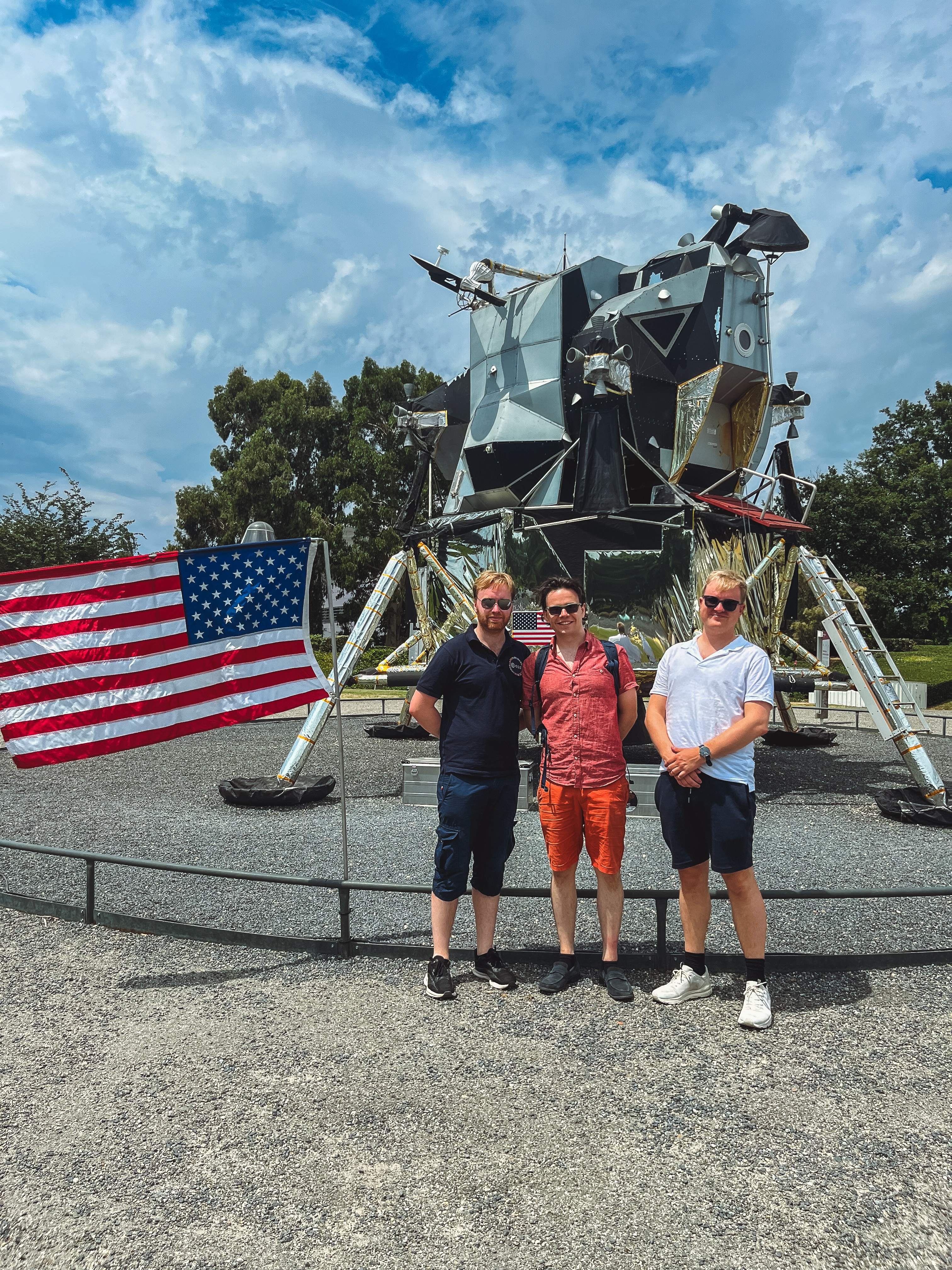
“The same workshop in Toulouse, in front of a full-scale replica of the Apollo lunar module.”
Somewhere between terrified and comfortable
For all the satellites and launch slots, one of the clearest ways Freider measures the past five years is considerably less glamorous: public speaking. The first time he pitched Biosat to the industry, he stood in front of around 400 people with a two-minute script he had memorized for a week. He got through it, sat back down and, ten minutes later, his heart rate was still somewhere around 140.
He remembers the contrast because it is now almost comical. At the latest NORSTEC Summit, he went on stage four times, barely had time to prepare and was mostly fine. The same person who once hated speaking in front of people, and apparently even disliked talking on the phone, now spends a fair amount of his life doing both.
“I barely recognize myself from when I started at NTNU,” he says. It isn’t difficult to see why. Somewhere between the terrible Orbit interview, the satellite budget, the conferences, the negotiations and the repeated experience of doing things before he felt entirely ready for them, the nerves stopped being quite so persuasive.
The unusual part is how early students here get access to that kind of responsibility. Freider has led projects with dozens of people while still technically waiting for his degree, the sort of experience that might otherwise take decades to reach. Trondheim has a way of collapsing that timeline. You are still a student. The work, inconveniently, is already real.
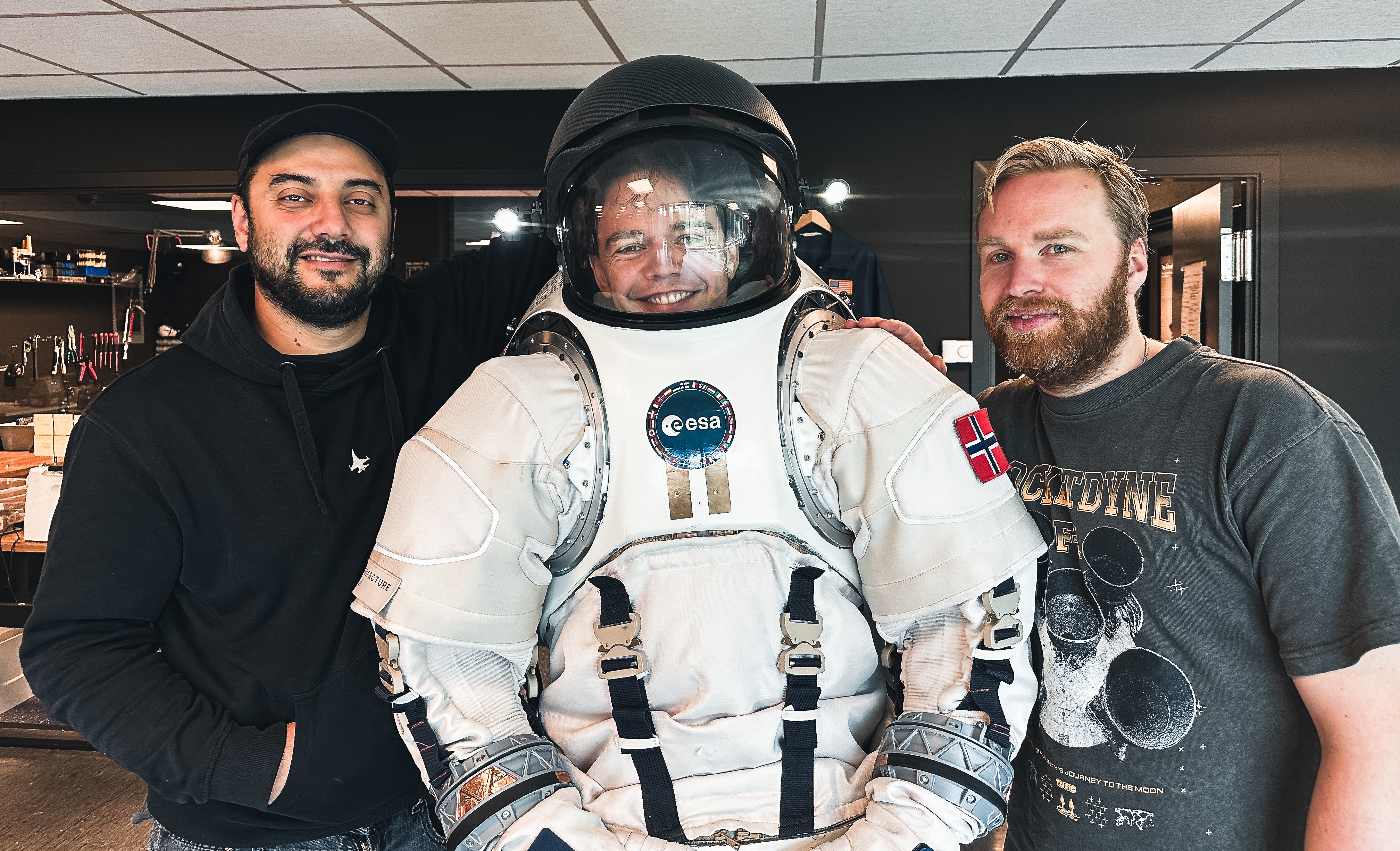
Freider with Nåva Space cofounders Jarle Steinberg (right), CTO and former Orbit NTNU teammate, and Nima Shahinian (left), head of design and former astronaut candidate.
A city with a high tolerance for ambition
Freider has spent enough time around other universities to notice that Trondheim has a slightly unusual tolerance for ideas that sound ridiculous on first contact. “If you were to pitch UKA for the first time now, it would sound completely insane,” he says. The same goes for suggesting that a group of first-year students should build a rocket, or that someone barely out of their first semester might reasonably be trusted with a satellite.
The strange part is that once enough people around you are already doing things like this, the threshold shifts. Someone has built the organization before you, found the mentors, made the mistakes and proved that the idea can survive contact with reality. Suddenly, “we should start a spaceflight team” sounds less like a fantasy and more like something that needs a room and a few committed people.
Freider has watched the same pattern travel beyond Trondheim through NORSTEC. Their incubator program helps students at other universities start their own space organizations, often by finding the one person stubborn enough to begin and surrounding them with the right support. “You really just need to activate that one person,” he says. After that, other people tend to appear.
It is, in a way, a very Trondheim export: take something that sounds slightly unreasonable, give it structure, and see who shows up.
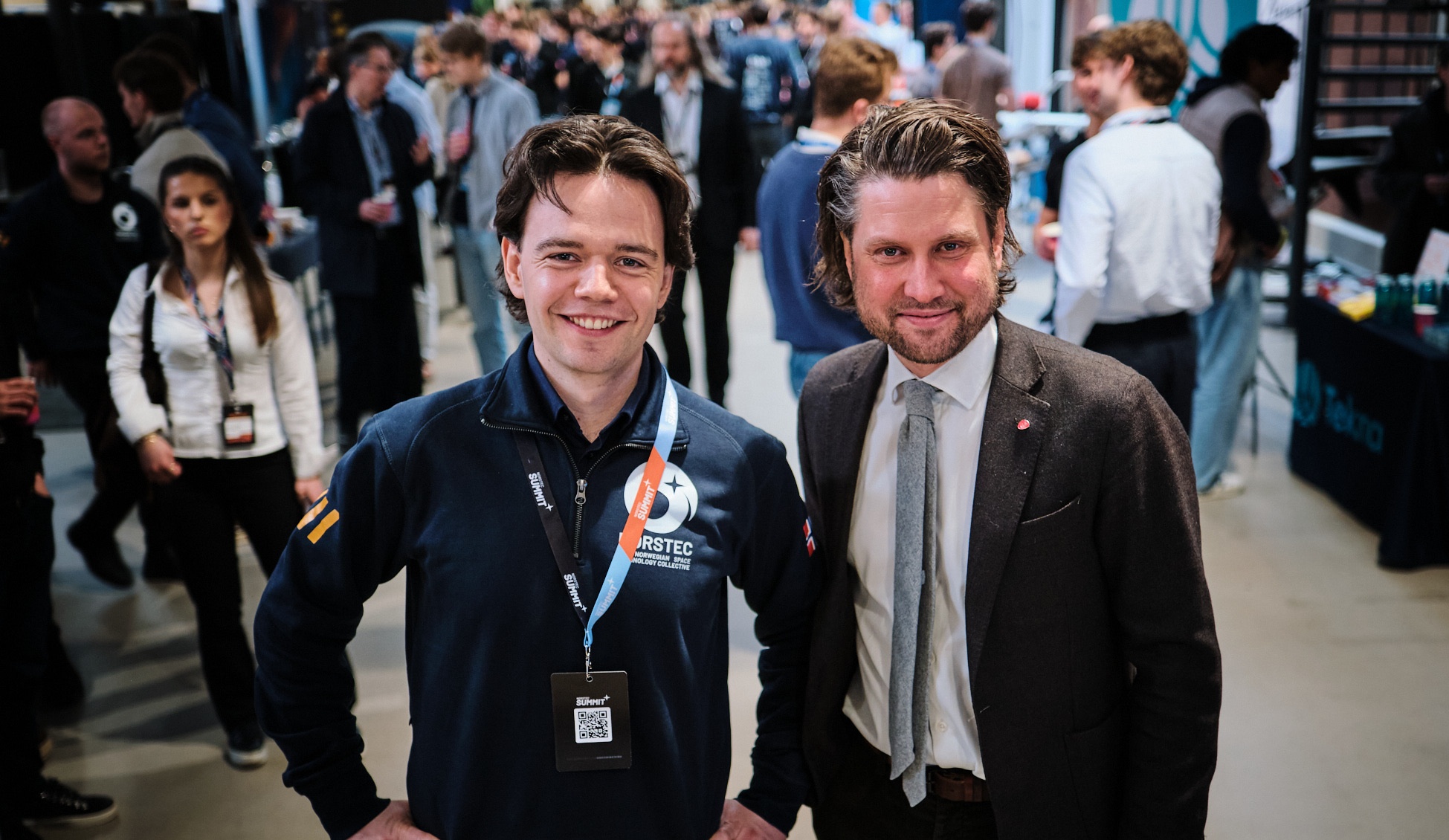
NORSTEC Summit: Freider Fløan & Norway's State Secretary, Vegard Grøslie Wennesland
Embrace the detour
Freider talks about opportunity less like something you find and more like something you have to get close enough to notice. When he started at NTNU, working in space wasn’t part of the plan largely because it hadn’t occurred to him that it could be. “It’s like a part of the brain that hasn’t been unlocked yet,” he says. You imagine the degree, the entry-level job, the sensible progression. Then someone mentions that students are building satellites down the hall.
His advice is appropriately uncomplicated. Try things before you have fully decided whether you are ready for them. “Take the opportunities you get, even if it seems terrifying. Just say yes,” he says. “It’s terrifying for everyone else doing it too.” Which, after five years of satellites, stages, negotiations and the occasional SpaceX launch, feels less like motivational advice and more like an operating system.
Five years ago, Freider hated public speaking, disliked talking on the phone, knew almost nothing about satellites and walked out of an Orbit interview certain he had completely blown it. He is still technically a student, although the definition has become rather generous.
And the master’s degree? Still coming.

Author's profile
McKenna Starck
Trondheim Brand Manager
McKenna works with the development of Trondheim’s city brand and Trondheim.com, with a focus on brand strategy, content and the overall digital experience.